
Comparing Wholesale Prices for Pre-Peeled Potatoes: A Buyer's 2026 Guide
The commercial food service industry operates on razor-thin margins where ingredient waste directly impacts profitability. According to the USDA Food Safety and Inspection Service, proper handling and storage of fresh produce can reduce spoilage rates by up to 30 percent in high-volume kitchens. Pre-peeled potatoes, often categorized as fourth-range (IV gama) products, offer a strategic advantage by eliminating labor-intensive preparation. However, comparing wholesale prices requires looking beyond the per-kilogram cost to understand the total value proposition, including yield efficiency, waste reduction, and supply chain reliability.
Understanding the True Cost Structure
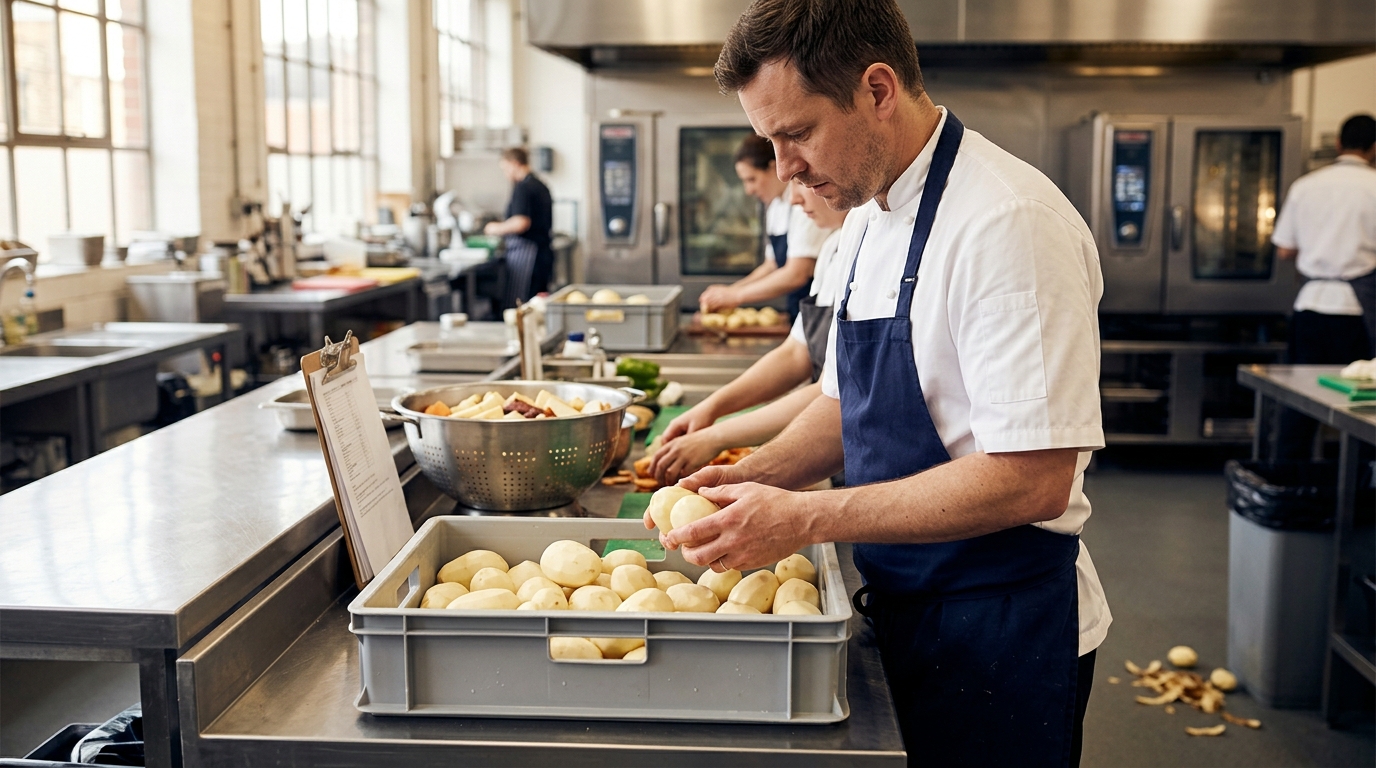
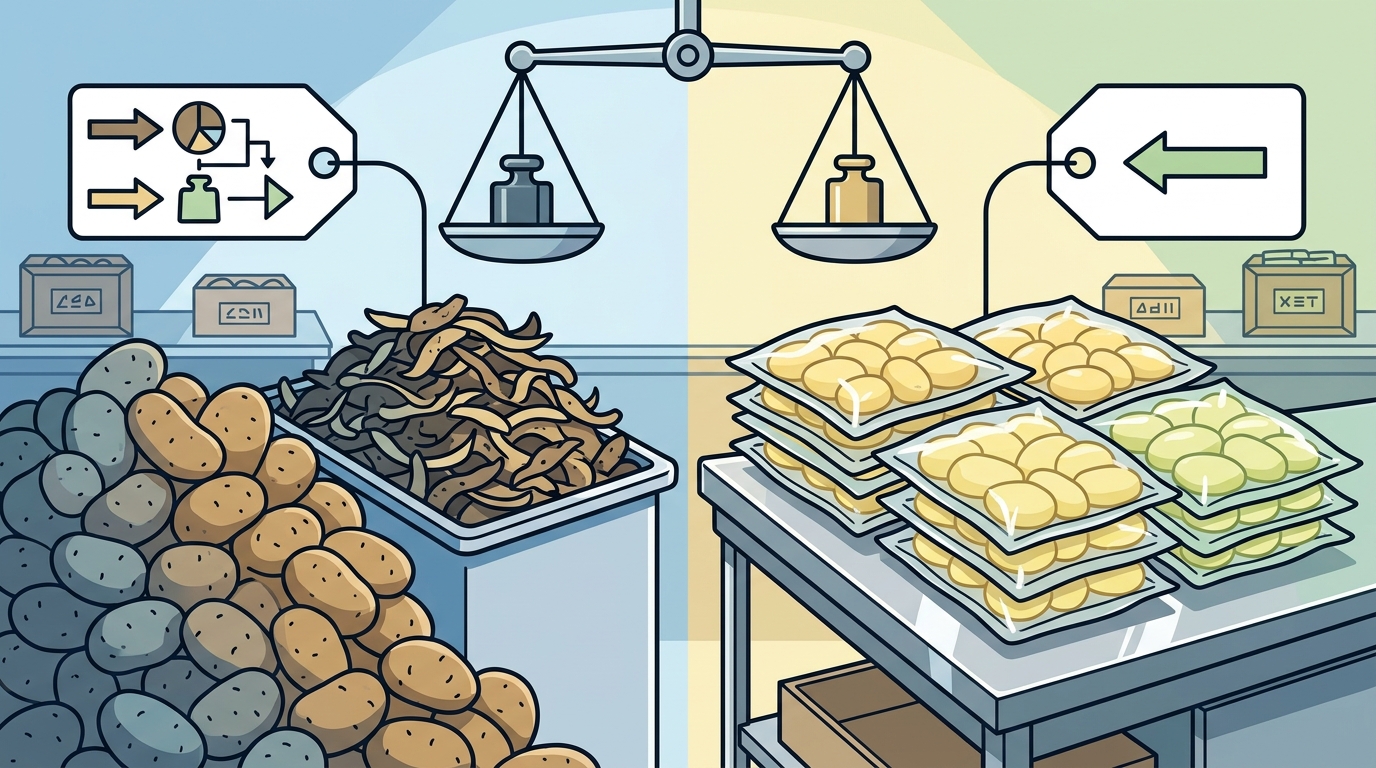
When evaluating wholesale prices for pre-peeled potatoes, the initial quote is only the starting point. The real cost is determined by the usable yield. Raw potatoes typically have a peeling loss of 10 to 15 percent, depending on the tuber size and shape. Pre-peeled products eliminate this variable, ensuring that 100 percent of the purchased weight is usable in the final dish. This shift transforms the cost analysis from a simple price-per-unit comparison to a cost-per-serving calculation.
Furthermore, labor costs in the commercial kitchen are significant. Data from the Bureau of Labor Statistics indicates that food preparation wages have risen steadily, making manual peeling an increasingly expensive operational burden. By switching to pre-peeled options, kitchens redirect skilled labor toward plating and cooking, thereby increasing overall throughput. The wholesale price must therefore be weighed against the savings in labor hours and the reduction in raw material waste.
Quality Metrics That Impact Price
Not all pre-peeled potatoes are created equal. The price differential between suppliers often reflects the quality of the raw material and the processing technology used. High-quality pre-peeled potatoes are processed immediately after harvest to prevent oxidation and maintain texture. This rapid processing is critical for preserving the starch structure, which affects the final outcome in frying or boiling applications.
Key quality indicators include the firmness of the cut and the absence of browning. The FDA emphasizes that controlling temperature during food handling is essential to prevent bacterial growth. Suppliers who invest in advanced cold-chain logistics can maintain the product at optimal temperatures, justifying a higher wholesale price. Conversely, lower-priced options may compromise on temperature control, leading to faster degradation and higher waste rates for the end user.
Cut Variety and Processing Precision
The complexity of the cut also influences pricing. Standard cuts like french fries or wedges are produced at high volumes, often resulting in more competitive pricing. Specialty cuts, such as brava or cachelo styles, require more precise machinery and skilled operation, which can increase the wholesale cost. Buyers should assess whether the specific cut requirements justify the premium or if a standard cut can achieve the desired culinary result at a lower price point.
Logistics and Freshness Factors
Supply chain reliability is a critical component of wholesale pricing. Pre-peeled potatoes are highly perishable and require strict temperature management from the processing plant to the kitchen. Suppliers with their own fleet of refrigerated vehicles can ensure consistent quality and reduce the risk of spoilage during transit. This operational control often comes at a premium but provides greater security for the buyer.
Delivery frequency is another logistical factor. According to the USDA Food Safety and Inspection Service, maintaining the cold chain is vital for food safety. Daily delivery services ensure that the product is always fresh, reducing the need for on-site storage and minimizing the risk of inventory degradation. Buyers should compare the total cost of ownership, including storage infrastructure and inventory management, when evaluating suppliers with less frequent delivery schedules.
Regulatory Compliance and Safety
Compliance with food safety regulations is non-negotiable in the wholesale potato market. Suppliers must adhere to strict sanitary standards, including regular testing and certification. The FDA highlights that proper sanitation in food processing facilities is key to preventing contamination. Buyers should verify that their supplier has a robust quality control program, including independent laboratory testing for microbial safety. This due diligence protects the buyer from potential liability and ensures the integrity of the product.
Comparing Supplier Models
When comparing wholesale prices, it is essential to understand the different business models of suppliers. Some companies operate large-scale processing plants with extensive distribution networks, while others focus on niche markets with specialized cuts. The scale of operation can influence pricing, but it does not always guarantee better quality or service.
| Supplier Type | Price Range | Quality Focus | Best For |
|---|---|---|---|
| Large-Scale Processors | Competitive | Consistency | High-volume chains |
| Specialty Cut Providers | Premium | Texture & Flavor | Boutique restaurants |
| Local Distributors | Variable | Freshness | Local eateries |
Large-scale processors often benefit from economies of scale, allowing them to offer lower wholesale prices for standard cuts. However, they may lack the flexibility to accommodate custom requests or provide the same level of personalized service. Specialty cut providers, on the other hand, focus on quality and precision, which can justify a higher price for chefs who demand specific textures and appearances. Local distributors may offer the freshest product due to shorter supply chains, but their pricing can vary based on regional availability and competition.
Key Takeaways
- Yield Efficiency: Pre-peeled potatoes eliminate 10-15% raw material waste, improving cost-per-serving metrics.
- Labor Savings: Reducing manual peeling tasks lowers labor costs and increases kitchen throughput.
- Quality Indicators: Firmness and lack of browning are critical metrics for assessing product value.
- Logistics Matter: Refrigerated delivery and daily frequency are essential for maintaining freshness.
- Compliance: Verify supplier sanitary certifications to ensure food safety and regulatory adherence.
- Custom Cuts: Specialty cuts may command higher prices but offer distinct culinary advantages.
- Total Cost: Evaluate storage and inventory costs alongside the wholesale price per kilogram.
Frequently Asked Questions
How do I calculate the true cost of pre-peeled potatoes?
To calculate the true cost, compare the price per kilogram of pre-peeled potatoes against the cost of raw potatoes plus the labor cost of peeling and the waste percentage. This holistic view often reveals that pre-peeled options are more economical despite a higher upfront price.
What is the shelf life of pre-peeled potatoes?
Pre-peeled potatoes typically have a shelf life of 7 to 10 days when stored correctly at temperatures between 1 and 5 degrees Celsius. Proper handling and temperature control are critical to extending this period.
Are pre-peeled potatoes safe for commercial use?
Yes, pre-peeled potatoes are safe for commercial use when sourced from suppliers who adhere to strict sanitary standards and maintain the cold chain. Regular testing and certification ensure product safety.
Can I customize the cut of pre-peeled potatoes?
Many suppliers offer custom cutting services to meet specific culinary requirements. However, custom cuts may incur higher prices due to the specialized machinery and labor involved.
How often should I order pre-peeled potatoes?
For optimal freshness, daily or every-other-day deliveries are recommended. This frequency minimizes on-site storage needs and ensures the product is always at its peak quality.
What certifications should I look for in a supplier?
Look for suppliers with ISO 22000, HACCP, or equivalent food safety certifications. These certifications indicate a commitment to rigorous quality control and safety protocols.
Do pre-peeled potatoes affect the taste of the final dish?
High-quality pre-peeled potatoes maintain their natural flavor and texture. The key is to choose suppliers who process the potatoes quickly and store them correctly to prevent degradation.
Ready to Optimize Your Kitchen's Efficiency?
Stop wasting time and money on manual preparation. Partner with a supplier that understands the nuances of commercial food service. Contact Patatas S&P today to discuss your specific needs and discover how our premium pre-peeled potatoes can transform your kitchen's operations. Visit our product catalog to explore our full range of cuts and services.