
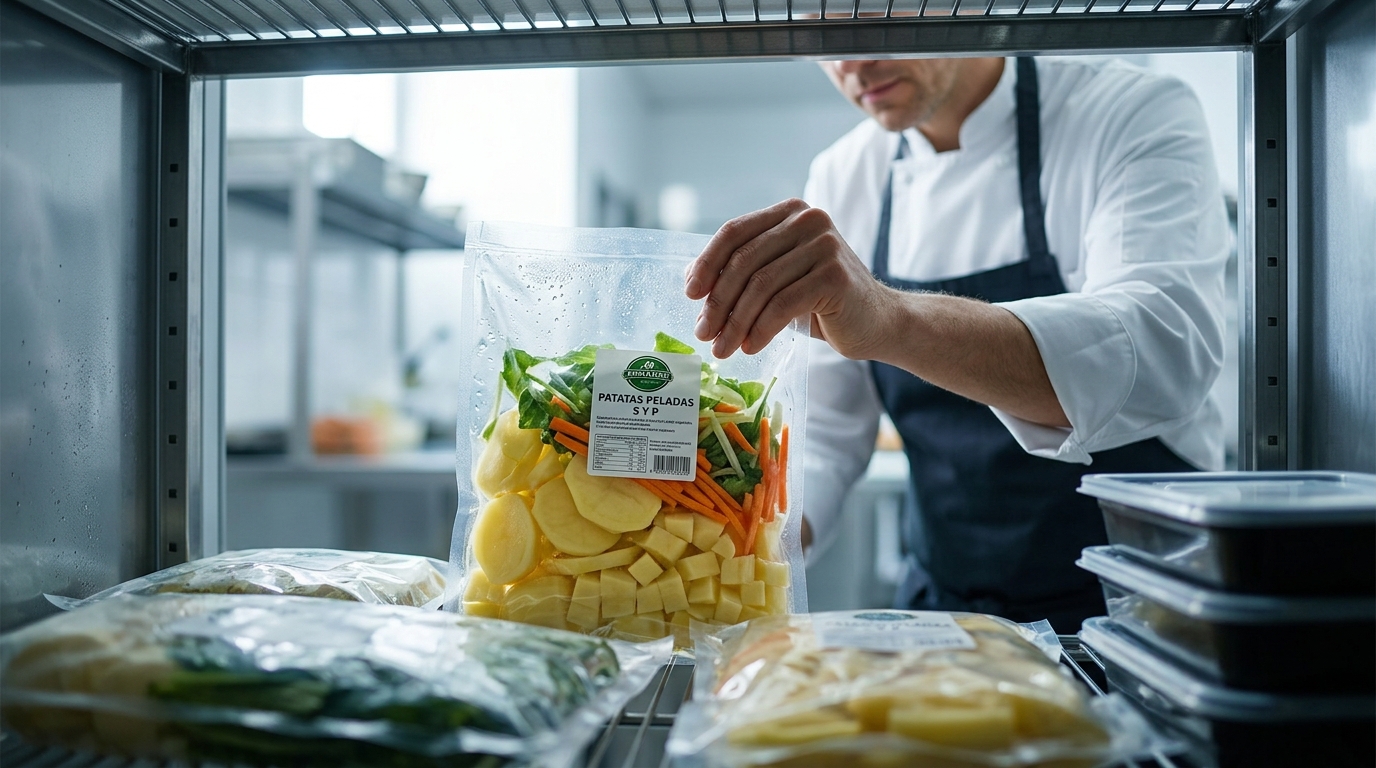
IV gama vegetables represent the pinnacle of modern food preservation, offering the convenience of pre-cut produce with the freshness of raw ingredients. These products undergo rigorous washing, peeling, and cutting processes before being packaged in modified atmospheres to extend shelf life. According to industry standards, properly stored IV gama products can maintain their nutritional value and texture for up to 21 days, significantly reducing food waste in professional kitchens. This guide details the critical storage protocols required to maximize this longevity.
Temperature Control and Cold Chain Integrity
The single most critical factor in preserving IV gama vegetables is maintaining a consistent cold chain. These products are highly perishable because the cutting process exposes internal tissues to oxidation and microbial growth. Temperature control is not optional; it is the primary defense against spoilage.
IV gama products must be stored at temperatures between 1°C and 5°C. This specific range slows down enzymatic activity and bacterial proliferation without causing freezing damage to the cell walls. If the temperature rises above 5°C, the risk of pathogen growth increases exponentially. Conversely, temperatures below 0°C can cause ice crystal formation, leading to tissue rupture and rapid decay upon thawing.
Professional kitchens must invest in calibrated refrigeration units dedicated to high-value produce. Regular monitoring with digital thermometers ensures that the cold chain remains unbroken from delivery to storage. Any fluctuation in temperature can compromise the modified atmosphere packaging (MAP) seal, allowing oxygen to enter and accelerate degradation.
Humidity Management and Packaging
Humidity levels play a secondary but vital role in storage longevity. IV gama vegetables require high relative humidity, typically around 90-95%, to prevent desiccation. However, excessive moisture on the surface can promote mold growth. The balance is maintained through the specialized packaging provided by manufacturers like Patatas S&P, which uses controlled atmosphere technology to regulate gas exchange.
When receiving deliveries, inspect the packaging integrity immediately. Any punctures or leaks in the MAP seal indicate a breach in the protective environment. Once opened, the remaining product must be transferred to airtight, food-grade containers to mimic the original atmospheric conditions. Do not store IV gama vegetables in open bowls or uncovered trays, as exposure to air will rapidly degrade their quality.
Handling Procedures and Cross-Contamination
Proper handling protocols are essential to prevent cross-contamination and physical damage. IV gama vegetables are ready-to-eat or ready-to-cook, meaning they have already undergone sanitization. Re-contamination can occur through improper hand hygiene or contact with raw meat products.
Always store IV gama vegetables on the top shelves of refrigeration units. This positioning prevents drips from raw meats or seafood from contaminating the produce. Use dedicated cutting boards and utensils for IV gama items to avoid transferring pathogens. Cleanliness in the kitchen directly correlates to the shelf life of your fresh produce.
Furthermore, avoid stacking heavy items on top of IV gama packaging. Physical pressure can crush the vegetables, breaking cell walls and releasing juices that create a breeding ground for bacteria. Gentle handling preserves the structural integrity of the product.
Inventory Rotation and Shelf Life
Effective inventory management ensures that IV gama vegetables are used at their peak freshness. The First-In, First-Out (FIFO) method is the industry standard for managing perishable goods. This practice involves placing newer deliveries behind older stock, ensuring that the oldest products are used first.
Monitor expiration dates daily. While IV gama products have an extended shelf life compared to raw cut vegetables, they are not indefinite. Products past their prime may retain visual appeal but have lost significant nutritional value and texture. Discard any items that show signs of sliminess, off-odors, or discoloration.
Keep a log of delivery dates and expected shelf life. This record-keeping helps in planning menu items and reducing waste. By aligning usage with shelf life, kitchens can maximize the value of their IV gama vegetable supplies.
Common Storage Mistakes to Avoid
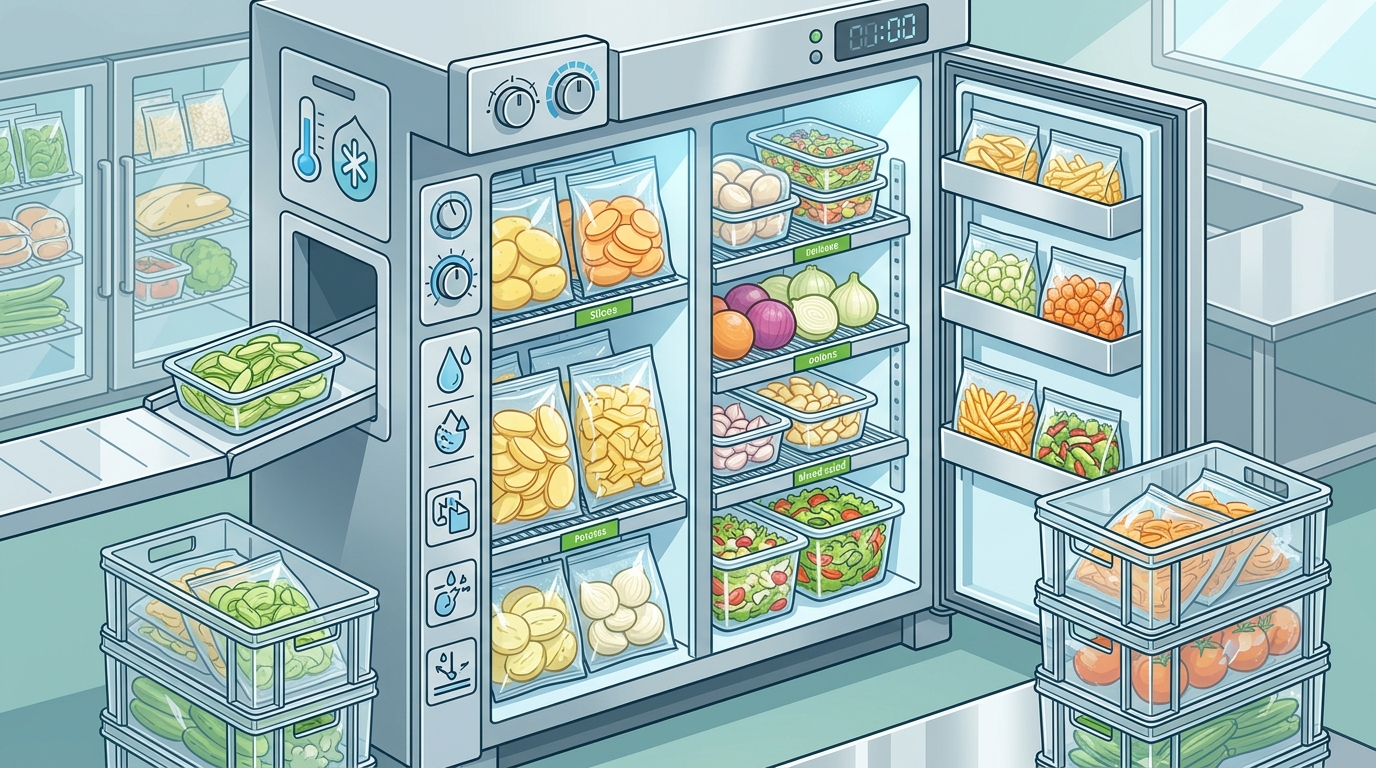
Even experienced kitchen staff can make errors that compromise IV gama quality. One common mistake is storing these products in the refrigerator door. The door experiences the most temperature fluctuation due to frequent opening and closing. Instead, place IV gama items in the main body of the refrigerator where temperatures are most stable.
Another frequent error is ignoring the "best before" date in favor of visual inspection. While appearance is important, it is not a reliable indicator of safety or quality. Microbial growth can occur without visible changes. Always adhere to the manufacturer's recommended storage times.
Finally, avoid overcrowding the refrigerator. Proper air circulation is necessary to maintain uniform temperatures throughout the unit. Overcrowding creates cold spots and warm zones, leading to inconsistent preservation results.
Key Takeaways
- IV gama vegetables must be stored between 1°C and 5°C to ensure longevity and safety.
- High relative humidity (90-95%) prevents desiccation while maintaining product integrity.
- Always store IV gama products on the top shelves to prevent cross-contamination from raw meats.
- Implement FIFO inventory rotation to minimize waste and ensure peak freshness.
- Inspect packaging integrity upon delivery to ensure the modified atmosphere seal is intact.
- Never store IV gama vegetables in the refrigerator door due to temperature fluctuations.
- Use dedicated utensils and cutting boards to prevent cross-contamination.
Frequently Asked Questions
How long do IV gama vegetables last in the refrigerator?
Properly stored IV gama vegetables typically last between 7 and 21 days, depending on the specific product and packaging technology used. Always check the manufacturer's label for exact dates.
Can I freeze IV gama vegetables?
Freezing IV gama vegetables is generally not recommended. The freezing process damages the cell structure, leading to a mushy texture and loss of flavor upon thawing. It is best to use them fresh.
What is the ideal temperature for storing IV gama products?
The ideal temperature range is 1°C to 5°C. This range optimally slows down enzymatic activity and microbial growth without causing freezing damage.
How do I know if IV gama vegetables have gone bad?
Signs of spoilage include sliminess, off-odors, discoloration, and a loss of crispness. If the packaging is bloated or leaking, discard the product immediately.
Why is modified atmosphere packaging important for IV gama?
Modified atmosphere packaging (MAP) replaces the air inside the package with a protective gas mixture, usually nitrogen and carbon dioxide. This process inhibits bacterial growth and oxidation, significantly extending shelf life.
Can I store IV gama vegetables alongside raw meat?
No. IV gama vegetables should always be stored above raw meats to prevent cross-contamination. Raw meats can harbor pathogens that may transfer to the ready-to-eat vegetables.
What is IV gama?
IV gama refers to minimally processed vegetables that have been washed, peeled, cut, and packaged in a controlled environment to maintain freshness and safety.
Secure Your Fresh Produce Supply Today
Ensuring the longevity of your IV gama vegetables requires strict adherence to temperature and handling protocols. Partner with a trusted supplier like Patatas S&P to receive high-quality, freshly cut products delivered daily. Contact us at patatassyp.es/contacto to schedule a consultation and optimize your kitchen's storage efficiency.