
Comparing Wholesale Prices for Pre-Peeled Potatoes: A Buyer's 2026 Guide
The global market for fourth-generation (IV gama) vegetables is expanding rapidly as restaurants seek to reduce kitchen waste and labor costs. According to the Food and Agriculture Organization, the shift toward pre-prepared ingredients has fundamentally altered supply chain dynamics for hospitality businesses. For chefs and procurement managers, the question is no longer just about the price per kilogram, but the total cost of ownership including yield, waste, and labor efficiency. This guide details how to accurately compare wholesale prices for pre-peeled potatoes while ensuring consistent quality and service reliability.
Understanding Cost Variables Beyond Unit Price
When comparing wholesale prices, the headline number is often misleading. Pre-peeled potatoes are not a commodity like raw sacks of potatoes; they are a processed food product with strict shelf-life requirements. The cost structure includes the raw material, the peeling and cutting labor, the cold chain logistics, and the packaging technology that prevents oxidation.
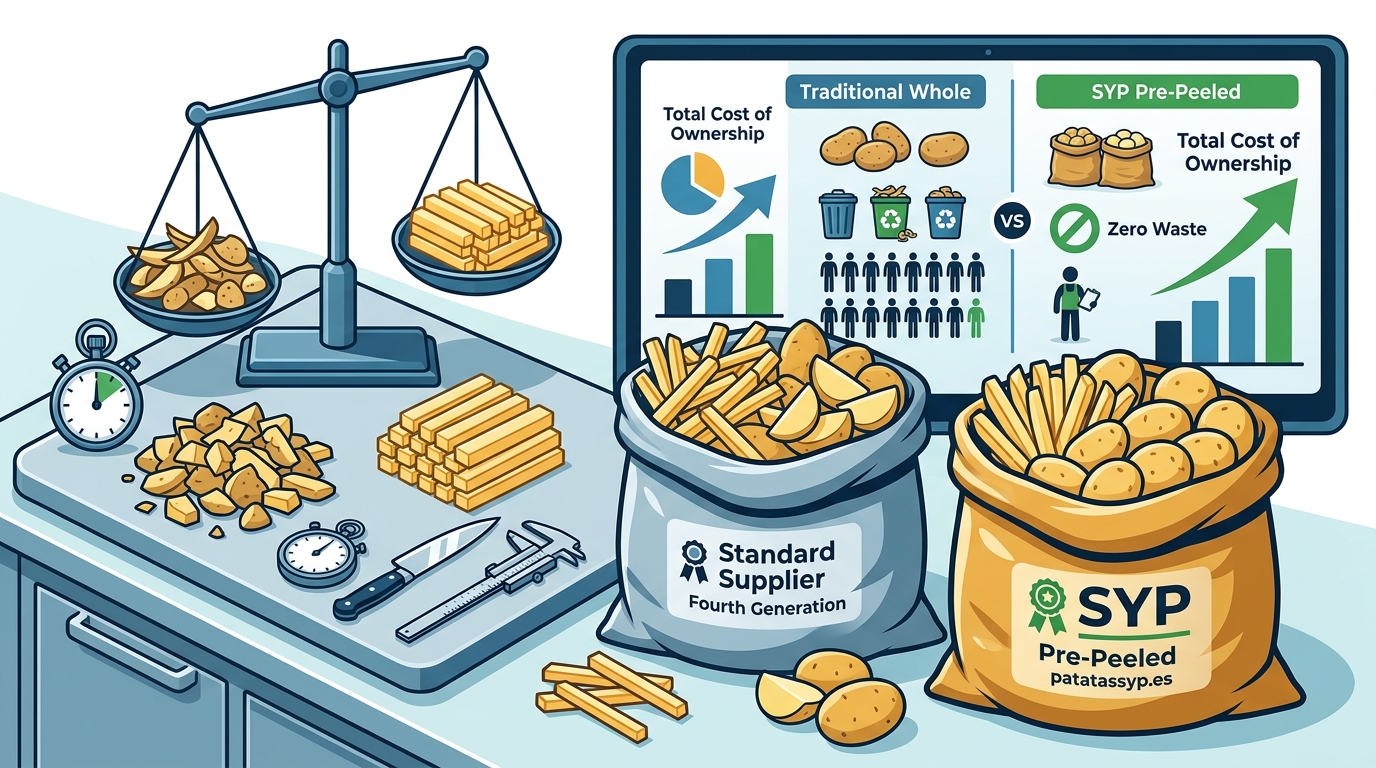
Buyers must look at the cost per usable portion rather than the cost per kilogram of raw product. A supplier offering a lower unit price may deliver potatoes with higher water content or inconsistent cuts, leading to greater shrinkage during frying or boiling. Conversely, a premium supplier might offer a tighter cut that reduces oil absorption, effectively lowering the final cost per dish despite a higher invoice price.
Additionally, consider the minimum order quantity (MOQ) and delivery frequency. Suppliers who operate on a just-in-time model, delivering fresh product daily, often charge a premium for the logistical complexity. However, this model eliminates the need for on-site storage and reduces the risk of spoilage. For high-volume establishments, the daily delivery model typically offers better financial outcomes than bulk purchasing from lower-cost, less reliable vendors.
Evaluating Supplier Reliability and Logistics
Reliability is the second most critical factor after price. In the hospitality industry, running out of a key ingredient like pre-peeled potatoes can halt service entirely. Therefore, the cost of a supply failure must be factored into your comparison. A supplier with a robust logistics network and redundant inventory systems is worth a slight price premium.
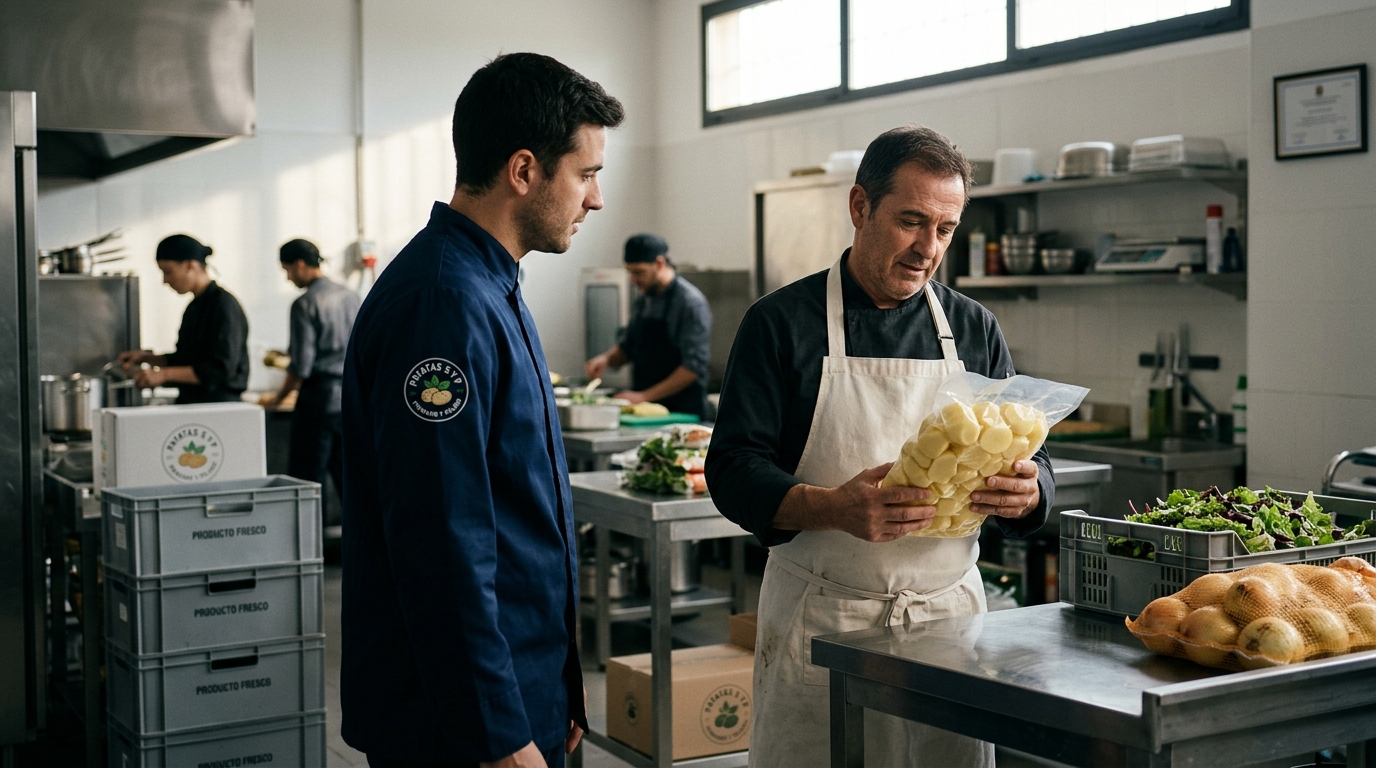
Look for suppliers who maintain their own processing facilities. Patatas S&P operates a dedicated peeling and cutting plant that ensures strict control over hygiene and quality standards. Facilities that perform their own processing can guarantee freshness and respond faster to order fluctuations than distributors who simply repackage goods from third-party manufacturers.
Furthermore, verify the supplier's sanitary certifications and cold chain integrity. The European Union has stringent regulations regarding the handling of ready-to-eat foods. Suppliers must maintain temperatures between 1°C and 5°C throughout the supply chain. Any break in this chain accelerates bacterial growth and reduces shelf life, directly impacting your cost per usable unit. Ask potential suppliers for their most recent sanitary audit results and cold chain monitoring protocols.
Quality Metrics and Yield Analysis
Quality is not subjective in wholesale procurement; it is measurable. When comparing quotes, request samples of different cut types, such as french fries, brava cuts, or whole peeled potatoes, and test them in your kitchen. Evaluate the following metrics:
- Color Stability: Pre-peeled potatoes oxidize quickly. High-quality products use nitrogen flushing or acidulated water baths to maintain brightness. Yellowing indicates poor processing or age.
- Texture Consistency: The cut must be uniform to ensure even cooking. Inconsistent cuts lead to overcooked edges and undercooked centers, increasing waste.
- Water Content: Excess water on the surface of pre-peeled potatoes can cause oil splatter and soggy results. Proper draining and packaging are essential.
- Shelf Life: Compare the stated shelf life against actual performance in your kitchen. A product that lasts three days longer than a competitor's reduces your weekly waste percentage significantly.
Calculate the yield percentage for each supplier. Raw potatoes typically have a peeling loss of 10-15%. Pre-peeled potatoes should offer a 100% yield. However, some suppliers may deliver potatoes that are slightly underweight due to moisture loss. Ensure your contract specifies the net weight of the product, not just the gross weight including packaging.
Comparing Service Models and Delivery
The service model offered by the supplier can drastically affect your operational costs. Some suppliers operate on a subscription basis, providing regular deliveries of standard cuts. Others offer on-demand ordering with 24-hour turnaround. The latter is ideal for restaurants with fluctuating demand or those testing new menu items.
Consider the geographic coverage of the supplier. Local suppliers often have lower transportation costs and fresher product due to shorter transit times. However, they may have limited variety. National distributors offer a wider range of products but may charge higher delivery fees for remote locations. Evaluate the total cost of delivery, including any fuel surcharges or minimum order penalties.
Finally, assess the customer support provided. A dedicated account manager who understands your business needs can help optimize your order mix and resolve issues quickly. This level of service is often found in established companies with decades of industry experience, such as Patatas S&P, which has served the hospitality sector for over 20 years.
Key Takeaways
- Focus on Total Cost: Calculate cost per usable portion, including waste and labor savings, not just the unit price.
- Verify Cold Chain: Ensure suppliers maintain temperatures between 1°C and 5°C to guarantee safety and shelf life.
- Request Samples: Test texture, color stability, and water content before committing to a long-term contract.
- Check Certifications: Look for sanitary certifications and independent laboratory analysis results.
- Evaluate Logistics: Consider delivery frequency, minimum order quantities, and geographic coverage.
- Prioritize Freshness: Suppliers with their own processing plants often offer superior quality and consistency.
- Build Relationships: Work with suppliers who offer dedicated support and flexible ordering options.
Frequently Asked Questions
How do I calculate the true cost of pre-peeled potatoes?
To calculate the true cost, divide the price per kilogram by the yield percentage. For example, if pre-peeled potatoes cost €2.00/kg and have a 100% yield, the cost is €2.00/kg. If raw potatoes cost €0.80/kg but have a 15% peeling loss, the effective cost is €0.94/kg. Add labor costs for peeling and cutting to the raw potato cost to determine the break-even point.
What is the shelf life of pre-peeled potatoes?
Pre-peeled potatoes typically have a shelf life of 3 to 5 days when stored at temperatures between 1°C and 5°C. The exact duration depends on the processing method, packaging technology, and initial quality of the raw potatoes. Always check the "use by" date on the packaging.
Why is cold chain integrity important for pre-peeled potatoes?
Pre-peeled potatoes are a high-risk food product because the peeling process removes the natural protective skin. This makes them susceptible to bacterial growth and oxidation. Maintaining a continuous cold chain prevents spoilage and ensures food safety.
Can I order custom cuts of pre-peeled potatoes?
Many suppliers offer custom cutting services to meet specific menu requirements. However, this may involve minimum order quantities and longer lead times. It is best to discuss your needs with the supplier's sales team in advance.
How do I choose between a local and national supplier?
Local suppliers often provide fresher product and more flexible delivery schedules. National suppliers may offer a wider variety of products and competitive pricing for large volumes. Consider your volume, storage capacity, and quality requirements when making this decision.
What certifications should I look for in a potato supplier?
Look for suppliers with ISO 22000, HACCP, or equivalent food safety certifications. These certifications indicate that the supplier follows strict hygiene and quality control protocols. Additionally, check for organic certifications if you source organic potatoes.
How can pre-peeled potatoes reduce my kitchen labor costs?
Pre-peeled potatoes eliminate the time-consuming tasks of peeling, washing, and cutting. This allows your kitchen staff to focus on cooking and plating, increasing overall efficiency. The labor savings often outweigh the higher unit price of the pre-peeled product.
Ready to Optimize Your Kitchen Supply Chain?
Stop wasting time and money on manual potato preparation. Partner with a supplier that understands the demands of the modern hospitality industry. Contact Patatas S&P today to request a sample pack and discover how our fresh, high-quality pre-peeled potatoes can transform your kitchen operations.