
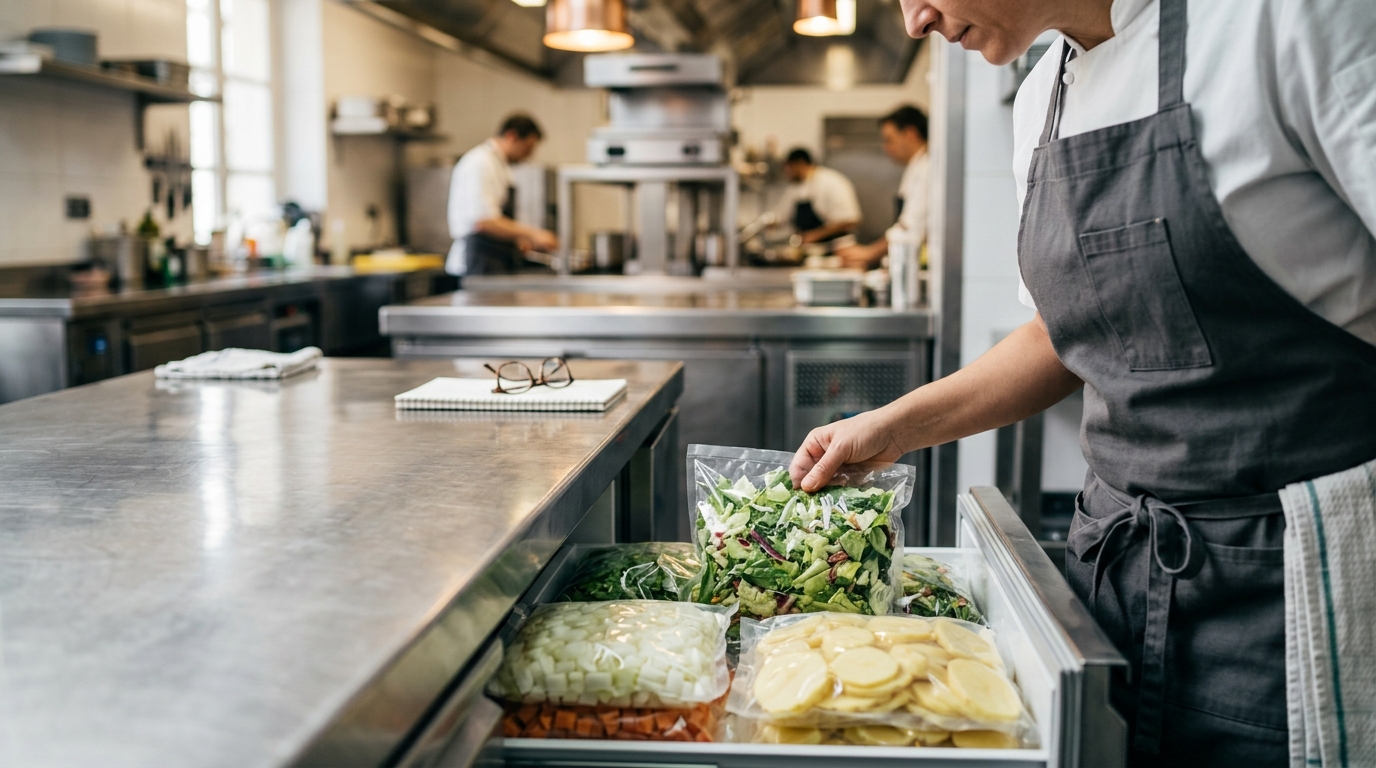
IV gama vegetables, also known as fresh-cut or ready-to-eat produce, represent a critical segment of the modern food supply chain. These products undergo rigorous processing to ensure safety and convenience. However, their longevity is entirely dependent on strict temperature control and hygiene protocols. According to industry standards, maintaining a cold chain between 1 and 5 degrees Celsius is non-negotiable for preserving freshness. This article outlines the definitive methods for storing these products to maximize shelf life and minimize waste.
Understanding IV Gama and Fresh-Cut Produce
To effectively store fresh-cut vegetables, one must first understand what they are. IV gama is a term widely used in the European food industry to describe minimally processed fruits and vegetables. These products are washed, peeled, cut, and packaged to be ready for immediate consumption or cooking. The term literally translates to "fourth range," distinguishing it from fresh produce (first range), frozen (second range), and canned (third range).
The defining characteristic of IV gama products is their high moisture content and exposed surface area. This makes them significantly more susceptible to microbial growth and enzymatic degradation than whole vegetables. Therefore, the storage environment must mimic the conditions of a professional industrial kitchen. The goal is to slow down respiration rates and prevent oxidation. For restaurants and hotels, relying on a supplier like Patatas S&P ensures that these products are already processed under optimal conditions before they reach your facility.
The Critical Role of Temperature Control
Temperature management is the single most important factor in extending the longevity of IV gama vegetables. The "cold chain" must remain unbroken from the processing plant to the final point of use. Any deviation from the recommended temperature range can accelerate spoilage and reduce shelf life by days.
Maintaining the 1 to 5 Degree Celsius Range
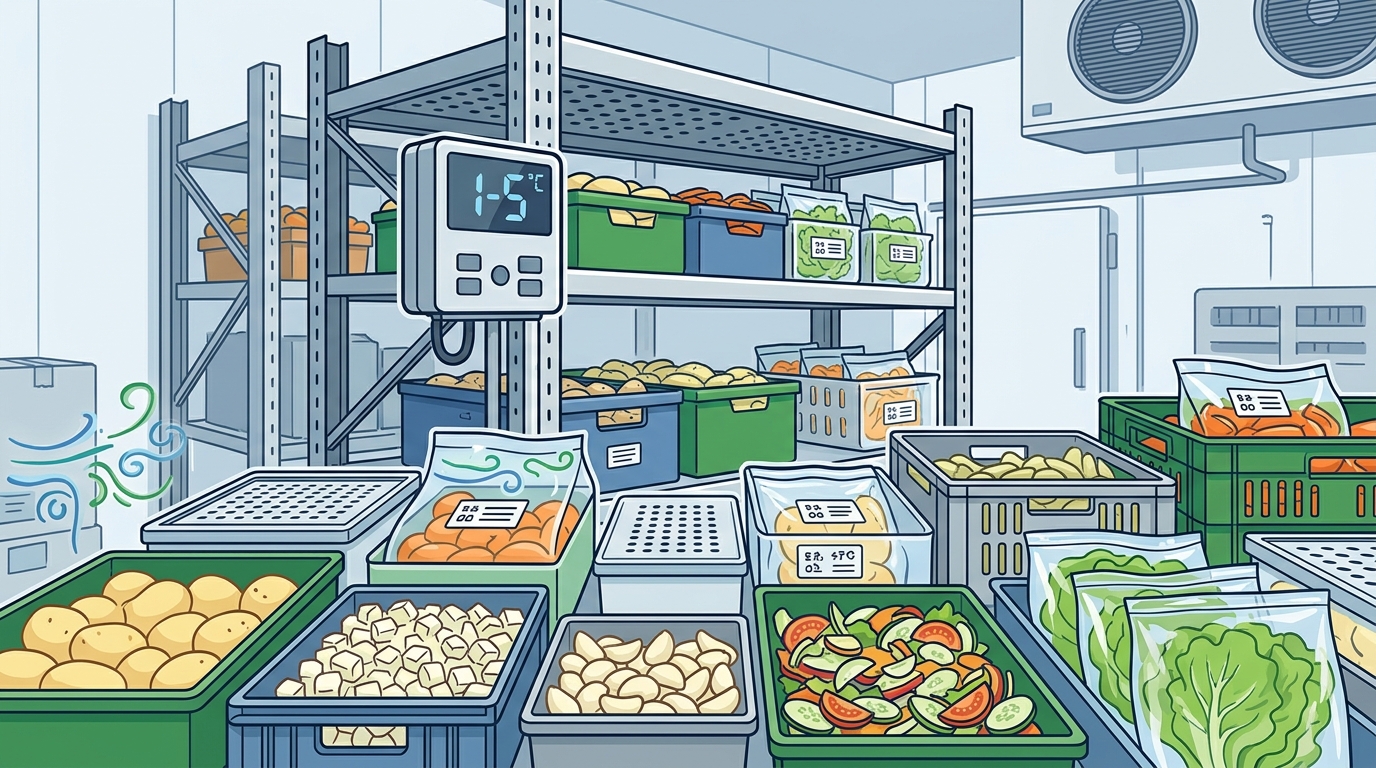
Professional guidelines dictate that IV gama products must be stored between 1 and 5 degrees Celsius. This specific range inhibits the growth of pathogenic bacteria while slowing down the natural enzymatic processes that cause browning and texture loss. Storing these items above 5 degrees Celsius allows bacteria to multiply rapidly. Conversely, temperatures below 1 degree Celsius can cause chilling injury, leading to wateriness and off-flavors in sensitive vegetables like lettuce and potatoes.
For businesses in Madrid and surrounding areas, Patatas S&P utilizes its own fleet of refrigerated vehicles to ensure that the cold chain is maintained during delivery. This direct distribution model eliminates the risk of temperature fluctuations that often occur with third-party logistics providers. When receiving your order, immediately check the internal temperature of the products. If they feel warm to the touch, reject the delivery.
Refrigerator Organization and Airflow
Proper organization within your commercial refrigerator is essential for consistent cooling. Do not stack IV gama products against the back wall of the fridge, as this can block airflow and create cold spots that lead to freezing. Instead, place products on middle shelves where air circulation is most uniform. Use clear, labeled containers to track expiration dates and implement a First-In, First-Out (FIFO) inventory system.
Hygiene and Sanitation Standards
IV gama vegetables are ready-to-eat, meaning they will not undergo a cooking process that kills bacteria. Therefore, hygiene during storage and handling is paramount. Cross-contamination is a primary cause of foodborne illness in the hospitality sector.
Separation of Raw and Ready-to-Eat Items
Never store IV gama vegetables near raw meats, poultry, or seafood. Even if the raw items are in sealed containers, the risk of leakage or airborne pathogens is too high. Store fresh-cut produce on the top shelves of your refrigerator, above any raw animal products. This vertical separation ensures that any potential drips do not contaminate the ready-to-eat items.
Sanitization of Storage Containers
If you transfer IV gama products from supplier packaging to your own containers, ensure those containers are thoroughly sanitized. Use a food-grade sanitizer and allow the containers to air dry completely before use. Residual moisture can promote mold growth. Patatas S&P emphasizes the importance of their sanitary certification, which is verified by an independent laboratory. This ensures that the products you receive are already free from harmful pathogens, reducing the burden on your kitchen's hygiene protocols.
Packaging and Environmental Control
The packaging of IV gama vegetables plays a crucial role in their longevity. Most high-quality suppliers use Modified Atmosphere Packaging (MAP). This technique replaces the air inside the package with a mixture of gases, typically nitrogen and carbon dioxide, which inhibits bacterial growth and oxidation.
Respecting Original Packaging
Always keep IV gama vegetables in their original packaging until you are ready to use them. The packaging is designed to maintain the specific gas balance required for freshness. Once you open the package, the clock starts ticking on the remaining shelf life. If you must store opened products, transfer them to an airtight container to minimize exposure to oxygen.
Humidity Management
Different IV gama products have different humidity requirements. Leafy greens like iceberg lettuce and arugula require high humidity to prevent wilting. Root vegetables like potatoes and onions are more tolerant of lower humidity. Most commercial refrigerators have adjustable humidity drawers. Set these to high for leafy greens and medium for root vegetables. Patatas S&P offers a wide range of cuts, including brava, frita, and steak house potatoes, all packaged to maintain optimal moisture levels.
Storage Method Comparison
The table below summarizes the best practices for storing common IV gama vegetables. Adhering to these guidelines will help you maximize freshness and reduce waste.
| Product Type | Optimal Temperature | Storage Location | Shelf Life (Post-Opening) | Key Risk |
|---|---|---|---|---|
| Potatoes (Cut) | 1-5°C | Top Shelf (Airtight) | 24-48 Hours | Oxidation (Browning) |
| Leafy Greens | 1-4°C | High Humidity Drawer | 3-5 Days | Wilting and Mold |
| Onions (Cut) | 1-5°C | Top Shelf (Airtight) | 2-3 Days | Odor Transfer |
| Garlic (Peeled) | 1-5°C | Top Shelf (Airtight) | 2-3 Days | Bacterial Growth |
Key Takeaways
- Temperature is Critical: Maintain a strict 1 to 5 degrees Celsius range for all IV gama products to inhibit bacterial growth.
- Cold Chain Integrity: Ensure your supplier, such as Patatas S&P, uses refrigerated transport to preserve product quality from factory to kitchen.
- Hygiene Protocols: Store ready-to-eat items above raw meats to prevent cross-contamination.
- Original Packaging: Keep products in their original MAP packaging until use to maintain the optimal gas balance.
- Inventory Management: Implement a FIFO system to ensure older stock is used first, minimizing waste.
- Sanitation Standards: Rely on suppliers with independent laboratory certifications for sanitary safety.
- Humidity Control: Adjust refrigerator drawers to match the specific humidity needs of leafy greens versus root vegetables.
Frequently Asked Questions
What is the ideal temperature for storing IV gama vegetables?
The ideal temperature for storing IV gama vegetables is between 1 and 5 degrees Celsius. This range slows down enzymatic activity and bacterial growth without causing chilling injury.
How long do fresh-cut potatoes last after opening?
Once opened, fresh-cut potatoes should be used within 24 to 48 hours. They are highly susceptible to oxidation, which causes browning, and microbial growth if not stored properly.
Can I freeze IV gama vegetables?
Freezing IV gama vegetables is generally not recommended. The high water content in fresh-cut produce causes cell walls to rupture upon thawing, resulting in a mushy texture and loss of flavor.
Why is Modified Atmosphere Packaging (MAP) important?
MAP replaces the air in the package with a protective gas mixture, typically nitrogen and carbon dioxide. This extends shelf life by preventing oxidation and inhibiting the growth of aerobic bacteria.
How should I store cut onions to prevent odor transfer?
Cut onions should be stored in airtight containers on the top shelf of the refrigerator. This prevents their strong odors from transferring to other foods and protects them from absorbing odors from raw meats.
What is IV gama?
IV gama is a term used in the food industry to describe minimally processed fruits and vegetables that are washed, peeled, cut, and packaged for ready-to-eat consumption.
Is it safe to eat IV gama vegetables without cooking?
Yes, IV gama vegetables are designed to be eaten raw. However, they must be stored at the correct temperature to ensure they remain safe for consumption.
Contact Patatas S&P for Premium Distribution
Proper storage is only half the equation. The quality of your IV gama vegetables begins with the supplier. Patatas S&P has over 20 years of experience in the peeling, cutting, and distribution of fresh-cut potatoes and vegetables. With our own processing plant and independent laboratory certifications, we guarantee the highest standards of quality and safety. Visit our product catalog to explore our full range of cuts, or contact us today to schedule a consultation and request a free sample.