
Best Storage Methods for IV Gama Vegetables to Maximize Longevity
IV gama vegetables, also known as ready-to-eat or minimally processed foods, represent a critical segment of the modern food supply chain. These products undergo rigorous washing, peeling, and cutting processes before being packaged for immediate consumption. According to industry data, the fresh-cut vegetable market has seen consistent growth, driven by consumer demand for convenience without sacrificing nutritional value. However, the very processes that make these vegetables convenient also accelerate their degradation. Proper storage is not merely a suggestion but a biological necessity to maintain safety and texture.
Understanding IV Gama Vegetables
IV gama is a Spanish term that translates to "fourth range." It refers to fresh fruits and vegetables that have been cleaned, peeled, cut, and packaged to be ready for immediate consumption or cooking. This category includes products like our catalog of fresh-cut potatoes, onions, and leafy greens. Unlike first-range produce, which is raw and whole, IV gama products have had their natural protective barriers removed. This exposure makes them highly susceptible to microbial growth and enzymatic browning.
The term IV gama vegetables is defined as minimally processed fresh produce that requires refrigeration and has a limited shelf life due to its high surface area and moisture content. When you purchase these items, you are buying into a delicate biological system. The moment a potato is peeled or a lettuce leaf is torn, the plant's defense mechanisms are triggered. This triggers a stress response that leads to rapid senescence, or aging, if not managed correctly.
At Patatas S&P, we have spent over 20 years mastering the art of preserving these products. Our facility in Valdemoro, Madrid, operates with strict sanitary controls to ensure that every batch meets the highest standards. Understanding the biology of IV gama is the first step in extending its longevity.
The Critical Role of Temperature Control
Temperature is the single most important factor in determining the shelf life of IV gama vegetables. The cold chain must be unbroken from the processing plant to the final point of use. Any fluctuation in temperature can accelerate enzymatic activity and bacterial growth.
Maintaining the Cold Chain
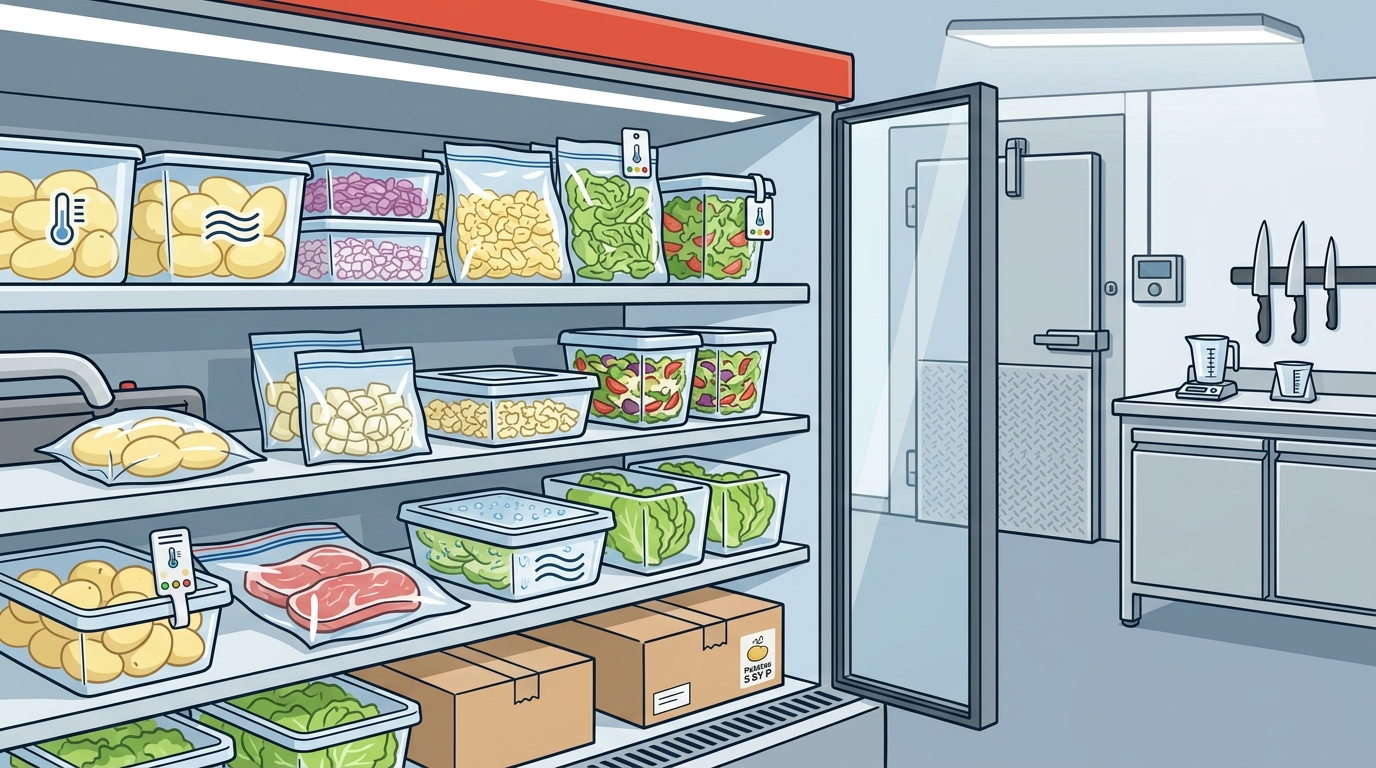
IV gama products must be stored at temperatures between 0°C and 4°C. This range slows down metabolic processes without causing freezing damage, which can rupture cell walls and lead to mushy textures. According to food safety guidelines, maintaining this temperature range is essential to inhibit the growth of pathogens such as Listeria monocytogenes, which can thrive in cold environments if not strictly controlled.
For restaurants and commercial kitchens, this means investing in high-quality refrigeration units. Walk-in coolers must be calibrated regularly. Display cases must maintain consistent airflow. If you are a consumer, ensure your refrigerator is set to the correct temperature. A simple thermometer can verify this. Food safety experts emphasize the importance of temperature control in preventing foodborne illnesses.
Avoiding Temperature Fluctuations
Repeated temperature fluctuations are more damaging than a consistently slightly higher temperature. When products warm up and cool down repeatedly, condensation forms on the packaging and the product surface. This moisture creates an ideal environment for mold and bacteria. Therefore, it is crucial to store IV gama vegetables in the coldest part of the refrigerator, typically the bottom shelf or the crisper drawer, away from the door where temperatures fluctuate most.
Managing Humidity and Atmosphere
Humidity levels play a significant role in the preservation of IV gama vegetables. Leafy greens, such as our iceberg lettuce and arugula, require high humidity to prevent wilting. However, excessive moisture can promote rot. Conversely, root vegetables like potatoes need slightly lower humidity to prevent sprouting and shriveling.
Optimal Humidity Levels
The ideal relative humidity for most IV gama vegetables is between 90% and 95%. This range keeps the products crisp and fresh without promoting excessive microbial growth. In commercial settings, humidifiers in walk-in coolers can help maintain these levels. For home users, storing vegetables in the crisper drawer, which is designed to retain moisture, is effective.
It is important to note that IV gama vegetables are defined as products that require specific atmospheric conditions to maintain their freshness and nutritional value. This includes controlling the exchange of gases such as oxygen and carbon dioxide.
Atmospheric Control
Some IV gama products are packaged in modified atmosphere packaging (MAP). This technique replaces the air inside the package with a mixture of gases, typically nitrogen and carbon dioxide, to slow down oxidation and microbial growth. If you are storing these products, do not remove the packaging until you are ready to use them. The package itself is a controlled environment. Breaking this seal exposes the product to ambient air, which can rapidly degrade its quality.
Packaging Integrity and Gas Exchange
The packaging of IV gama vegetables is not just a container; it is a preservation tool. The integrity of the package determines how long the product remains safe and fresh. Damaged packaging allows contaminants to enter and disrupts the internal atmosphere.
Inspecting Packaging
Before purchasing or using IV gama vegetables, always inspect the packaging for leaks, tears, or swelling. Swelling can indicate gas production by bacteria, a sign of spoilage. At Patatas S&P, we ensure that every package is sealed under strict sanitary conditions to guarantee integrity. Our catalog of cuts includes various options, each designed to maintain freshness through specialized packaging techniques.
Gas Exchange Management
Different vegetables have different respiration rates. High-respiration products, like cut lettuce, produce more ethylene gas, which accelerates ripening and senescence. Low-respiration products, like cut potatoes, are less sensitive to ethylene. Storing high-ethylene producers away from ethylene-sensitive products is crucial. For example, do not store cut apples near cut potatoes, as the ethylene from the apples can cause the potatoes to discolor and soften.
According to research from the World Health Organization, proper packaging and handling are key to reducing food waste and ensuring safety. This applies equally to commercial and home settings.
Operational Handling Procedures
Even with perfect storage conditions, improper handling can ruin IV gama vegetables. Hygiene, time management, and cross-contamination prevention are critical.
Hygiene and Sanitation
Always use clean utensils and cutting boards when handling IV gama vegetables. Cross-contamination with raw meats or other allergens can introduce harmful bacteria. At our facility, we adhere to rigorous sanitary certification protocols to ensure that every product is safe for consumption. In your kitchen, this means washing hands thoroughly and sanitizing surfaces regularly.
Time Management
IV gama vegetables have a limited shelf life, even under ideal conditions. Once the package is opened, the clock starts ticking. Use opened products within 24 to 48 hours, depending on the product type. For example, cut potatoes should be used quickly to prevent browning, while leafy greens may last slightly longer if kept dry and crisp.
Implementing a first-in, first-out (FIFO) system in your inventory management ensures that older products are used before newer ones. This reduces waste and ensures that you are always serving the freshest possible products. Our contact team can help you plan your orders to align with your usage rates.
Key Takeaways
- Temperature is Paramount: Store IV gama vegetables at 0°C to 4°C to slow enzymatic activity and inhibit bacterial growth.
- Humidity Matters: Maintain 90-95% relative humidity for leafy greens to prevent wilting, and slightly lower for root vegetables.
- Preserve Packaging: Keep products in their original modified atmosphere packaging until ready to use to maintain gas balance.
- Hygiene is Critical: Use clean utensils and surfaces to prevent cross-contamination, as IV gama products are ready-to-eat.
- Monitor Shelf Life: Use opened products within 24-48 hours and implement FIFO inventory systems to minimize waste.
- Source Quality: Choose suppliers like Patatas S&P who prioritize sanitary controls and fresh daily delivery.
- Avoid Fluctuations: Prevent temperature swings by storing products in the coldest part of the refrigerator, away from the door.
Frequently Asked Questions
What is the ideal temperature for storing IV gama vegetables?
The ideal temperature is between 0°C and 4°C. This range slows down metabolic processes without causing freezing damage, which is crucial for maintaining texture and safety.
How long do IV gama vegetables last after opening?
Once opened, IV gama vegetables should be used within 24 to 48 hours. The exposure to ambient air accelerates degradation and microbial growth.
Can I freeze IV gama vegetables?
Freezing is generally not recommended for IV gama vegetables as it ruptures cell walls, leading to a mushy texture upon thawing. It is best to consume them fresh.
Why is humidity important for IV gama storage?
Humidity prevents wilting in leafy greens and shriveling in root vegetables. Maintaining 90-95% relative humidity keeps products crisp and fresh.
What is modified atmosphere packaging (MAP)?
MAP replaces the air in a package with a mixture of gases like nitrogen and carbon dioxide to slow oxidation and microbial growth, extending shelf life.
How can I prevent cross-contamination with IV gama vegetables?
Use clean utensils and cutting boards, and store IV gama vegetables away from raw meats. Since they are ready-to-eat, they are highly susceptible to contamination.
Where can I buy high-quality IV gama vegetables in Madrid?
You can order fresh, daily-delivered IV gama vegetables from Patatas S&P in Valdemoro, Madrid. We offer a wide range of cuts and products.
What sanitary certifications do IV gama suppliers need?
Suppliers must adhere to strict sanitary regulations, including HACCP (Hazard Analysis and Critical Control Points) and local health department certifications to ensure food safety.
Contact Us for Premium Supply
Ensuring the longevity of IV gama vegetables requires a commitment to quality at every step, from sourcing to storage. At Patatas S&P, we provide the highest quality fresh-cut potatoes, onions, and leafy greens, delivered daily to your establishment. Our advanced facilities and strict sanitary controls guarantee that you receive products that are not only fresh but also safe and nutritious.
Do not compromise on the quality of your ingredients. Contact our commercial team today to discuss your needs and schedule a free sample. Visit our product catalog to explore our full range of cuts and varieties. Let us help you save time and money while delivering the best experience to your customers.