
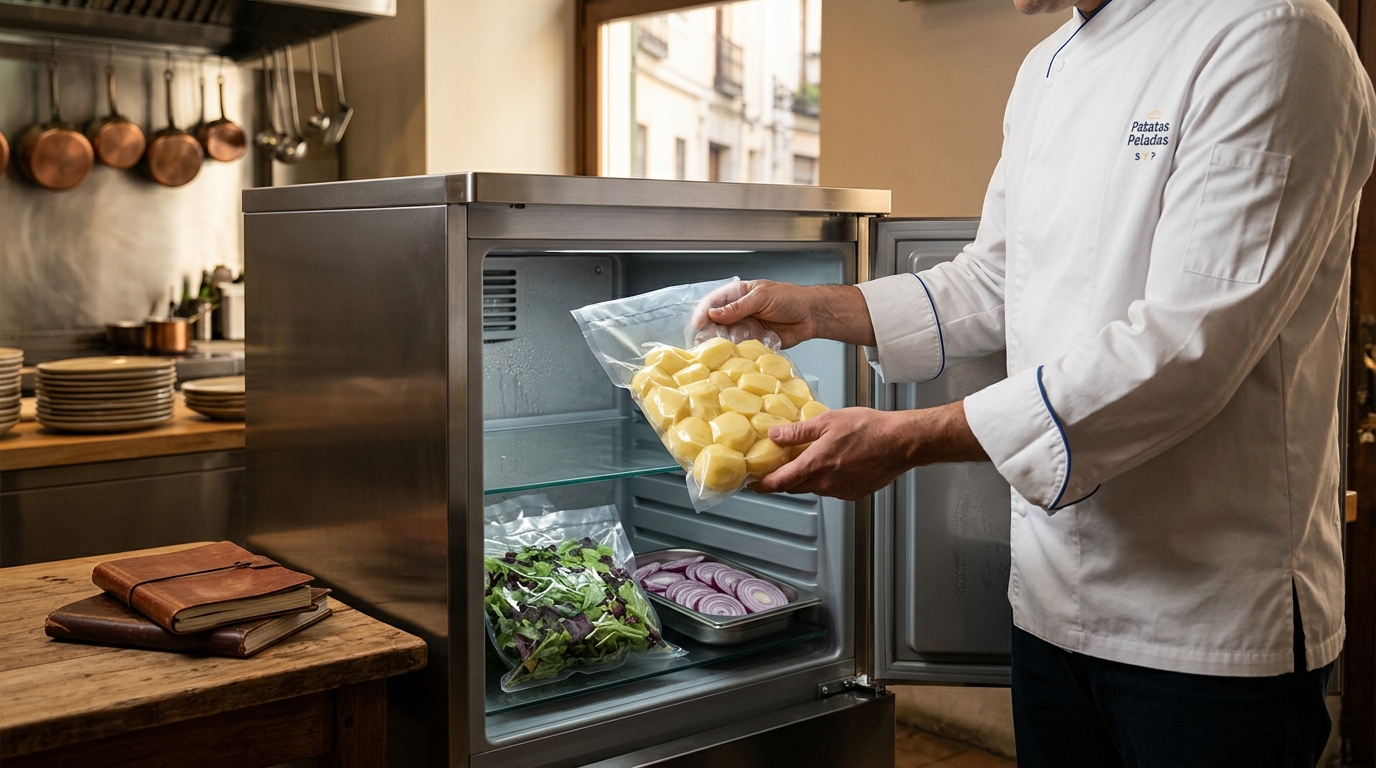
IV gama vegetables, also known as ready-to-eat or minimally processed foods, have revolutionized the commercial kitchen. According to industry data, the global market for fresh-cut produce is projected to grow significantly, driven by the demand for convenience in the hospitality sector. However, the shelf life of these products is fragile. Improper storage can lead to rapid microbial growth, texture degradation, and nutrient loss. This guide details the critical protocols for maintaining the integrity of your IV gama inventory.
Understanding IV Gama and Its Sensitivity
IV gama is a classification for fresh vegetables that have been washed, peeled, cut, and packaged. IV gama is minimally processed fresh produce designed for immediate consumption. Because the protective outer layers of the vegetable are removed, the internal tissues are exposed to oxygen and potential contaminants. This exposure accelerates enzymatic browning and respiration rates. Chefs and restaurateurs must understand that these products are not shelf-stable. They require the same rigorous cold chain management as raw meat or dairy.
At Patatas Peladas, we specialize in delivering high-quality IV gama products to professional kitchens. Our commitment to quality ensures that every batch meets strict sanitary standards. Understanding how to handle these products upon delivery is the first step in maximizing their longevity.
The Critical Role of Temperature Control
Temperature is the single most important factor in preserving IV gama vegetables. The cold chain must never be broken from the processing facility to your kitchen storage. Research indicates that maintaining a consistent temperature below 4°C (39°F) significantly slows down bacterial growth. Temperature fluctuations cause condensation, which promotes mold and spoilage.
Refrigerator Storage Standards
Upon receipt, IV gama products must be moved to refrigeration immediately. Do not leave them at room temperature for more than 15 minutes. Use a calibrated thermometer to verify that your commercial refrigerator maintains a temperature between 0°C and 4°C. This range is optimal for slowing enzymatic activity without freezing the delicate cell walls of the vegetables.
Freezing Considerations
Most IV gama vegetables, including our potato cuts and leafy greens, should not be frozen. Freezing causes ice crystals to form within the plant cells. When thawed, these cells rupture, leading to a mushy texture and rapid leakage of nutrients. Only specific products designed for freezing should be stored in the freezer. Always check the product label for specific storage instructions.
Managing Humidity and Airflow
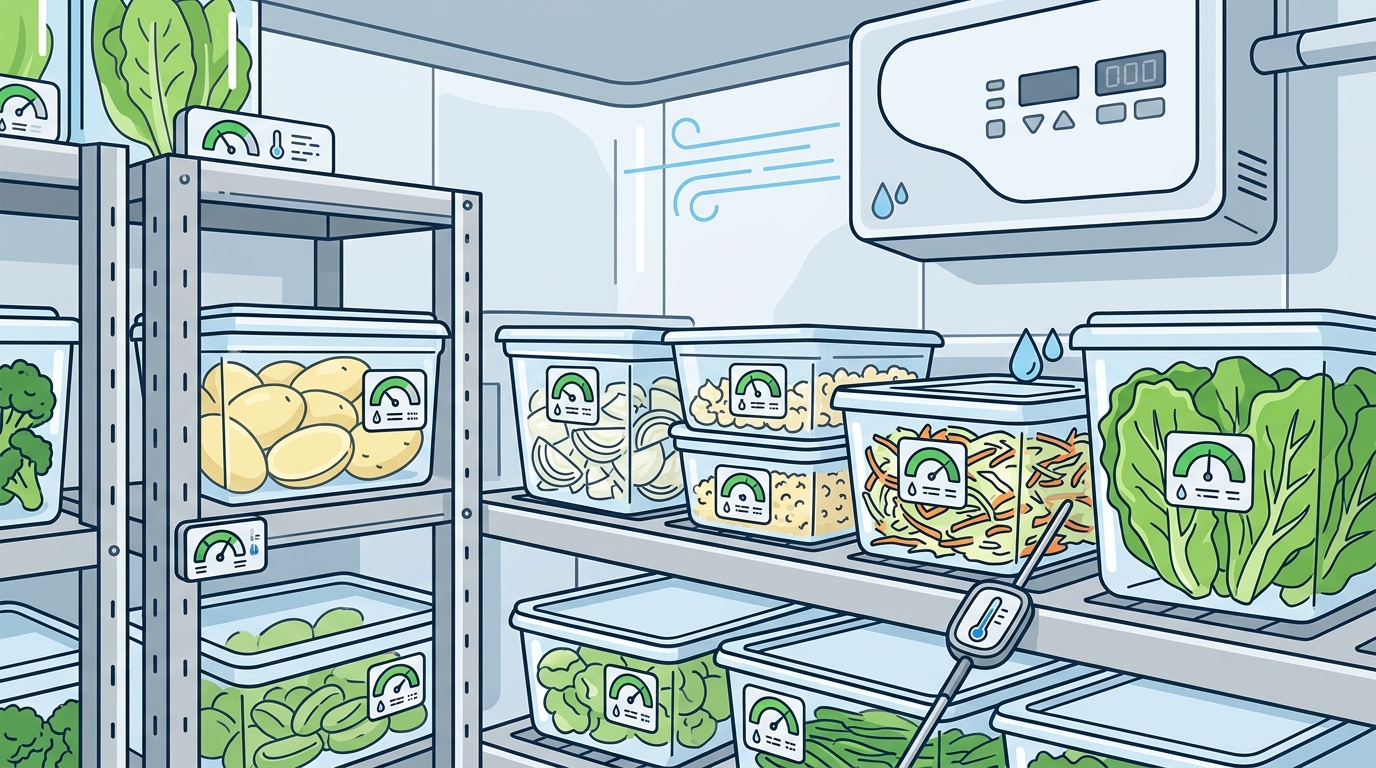
Humidity levels play a secondary but vital role in storage. IV gama vegetables require high humidity to prevent desiccation, but they also need airflow to prevent moisture buildup that leads to rot.
Optimal Humidity Levels
Most leafy IV gama products, such as iceberg lettuce and arugula, thrive in humidity levels between 90% and 95%. However, because they are pre-washed, excess surface moisture can accelerate decay. Ensure that your storage containers have adequate ventilation. If using plastic bins, do not seal them airtight unless the product is specifically packaged for modified atmosphere.
Airflow in Commercial Fridges
Do not overpack your refrigerators. Cold air must circulate freely around the IV gama products. Blocking vents or stacking containers too tightly creates warm spots where bacteria can thrive. Use shelving that allows for even air distribution. This practice is essential for maintaining the crispness of our potato steaks and french fries.
Strict Hygiene and Cross-Contamination Protocols
Hygiene is non-negotiable when handling IV gama vegetables. Since these products are ready to eat, they do not undergo a cooking process that kills bacteria. Cross-contamination is the leading cause of foodborne illness in professional kitchens.
Separation of Raw and Ready-to-Eat
Store IV gama vegetables on the top shelves of your refrigerator. Raw meats, poultry, and seafood should always be stored on the bottom shelves. This prevents drips from raw proteins from contaminating the ready-to-eat vegetables. At Patatas Peladas, we adhere to rigorous sanitary controls to ensure our products are safe upon delivery. Your kitchen must match this standard.
Sanitization of Storage Containers
Regularly sanitize the bins and containers used for IV gama storage. Use food-safe sanitizers and allow them to air dry completely. Residual moisture or organic residue in containers can harbor bacteria. Implement a strict cleaning schedule for all storage equipment. This proactive measure extends the shelf life of your inventory significantly.
Preserving Packaging Integrity
The original packaging of IV gama vegetables is designed to protect the product. Tampering with this packaging can compromise its longevity.
Do Not Remove Original Packaging
Keep IV gama vegetables in their original sealed containers until you are ready to use them. Removing them prematurely exposes them to air and contaminants. If you must transfer products, use clean, food-grade containers with tight-fitting lids. However, this should be avoided whenever possible to maintain the modified atmosphere inside the package.
Inspecting for Damage
Always inspect packaging upon delivery. Look for tears, punctures, or bloating. Damaged packaging indicates a breach in the cold chain or potential contamination. Reject any products with compromised packaging. Our catalog of cuts is designed to maintain integrity, but proper handling is key.
Inventory Management and FIFO
Effective inventory management is crucial for minimizing waste and ensuring freshness. The First-In, First-Out (FIFO) method is the industry standard.
Implementing FIFO
When receiving new deliveries, place the older stock at the front and the new stock at the back. This ensures that the oldest products are used first. Label all IV gama products with the date of receipt and the expiration date. This visual cue helps kitchen staff prioritize usage. Our contact team can help you optimize your ordering schedule to match your usage patterns.
Monitoring Expiration Dates
IV gama vegetables have a limited shelf life, typically ranging from 3 to 7 days depending on the product. Regularly check expiration dates and remove any products that are past their prime. Do not rely on smell or appearance alone, as some pathogens do not alter the sensory properties of the food. Discard any products that show signs of slime, discoloration, or off-odors.
Key Takeaways
- Temperature Control: Store IV gama vegetables at 0°C to 4°C to slow bacterial growth and enzymatic activity.
- Hygiene Priority: Store ready-to-eat products on top shelves to prevent cross-contamination from raw proteins.
- Humidity Balance: Maintain high humidity but ensure adequate airflow to prevent condensation and mold.
- FIFO Method: Use the First-In, First-Out method to ensure older stock is consumed before it expires.
- Package Integrity: Keep products in original packaging until use to maintain the modified atmosphere.
- Sanitization: Regularly sanitize storage containers to eliminate bacterial reservoirs.
- Inspection: Reject any deliveries with damaged packaging or signs of temperature abuse.
Frequently Asked Questions
How long do IV gama vegetables last in the refrigerator?
IV gama vegetables typically last between 3 to 7 days in the refrigerator, depending on the specific product and storage conditions. Always check the expiration date on the packaging.
Can I freeze IV gama vegetables?
Most IV gama vegetables should not be frozen, as freezing damages their cell structure and leads to a mushy texture upon thawing. Only freeze products specifically labeled as suitable for freezing.
What is the ideal temperature for storing IV gama?
The ideal temperature for storing IV gama vegetables is between 0°C and 4°C. This range slows down bacterial growth and preserves freshness.
How do I prevent cross-contamination with IV gama?
Store IV gama vegetables on the top shelves of your refrigerator, away from raw meats and seafood. Use separate cutting boards and utensils for ready-to-eat products.
Why is humidity important for IV gama storage?
High humidity prevents IV gama vegetables from drying out and wilting. However, excessive moisture can promote mold growth, so balanced airflow is also essential.
What should I do if IV gama packaging is damaged?
Do not use IV gama vegetables with damaged packaging. The integrity of the cold chain may be compromised, increasing the risk of contamination. Contact your supplier for a replacement.
How often should I sanitize storage containers?
Storage containers should be sanitized regularly, ideally after each use or at least once a day in high-volume kitchens. This prevents bacterial buildup and ensures food safety.
Contact Us for Premium Supply
Proper storage of IV gama vegetables is essential for maintaining quality and ensuring food safety in your kitchen. At Patatas Peladas, we provide high-quality, freshly cut IV gama products that meet the highest sanitary standards. Our advanced facilities and professional expertise ensure that you receive the best products for your business. Contact us today to discuss your supply needs and schedule a delivery. Visit our product catalog to explore our full range of cuts and vegetables.