
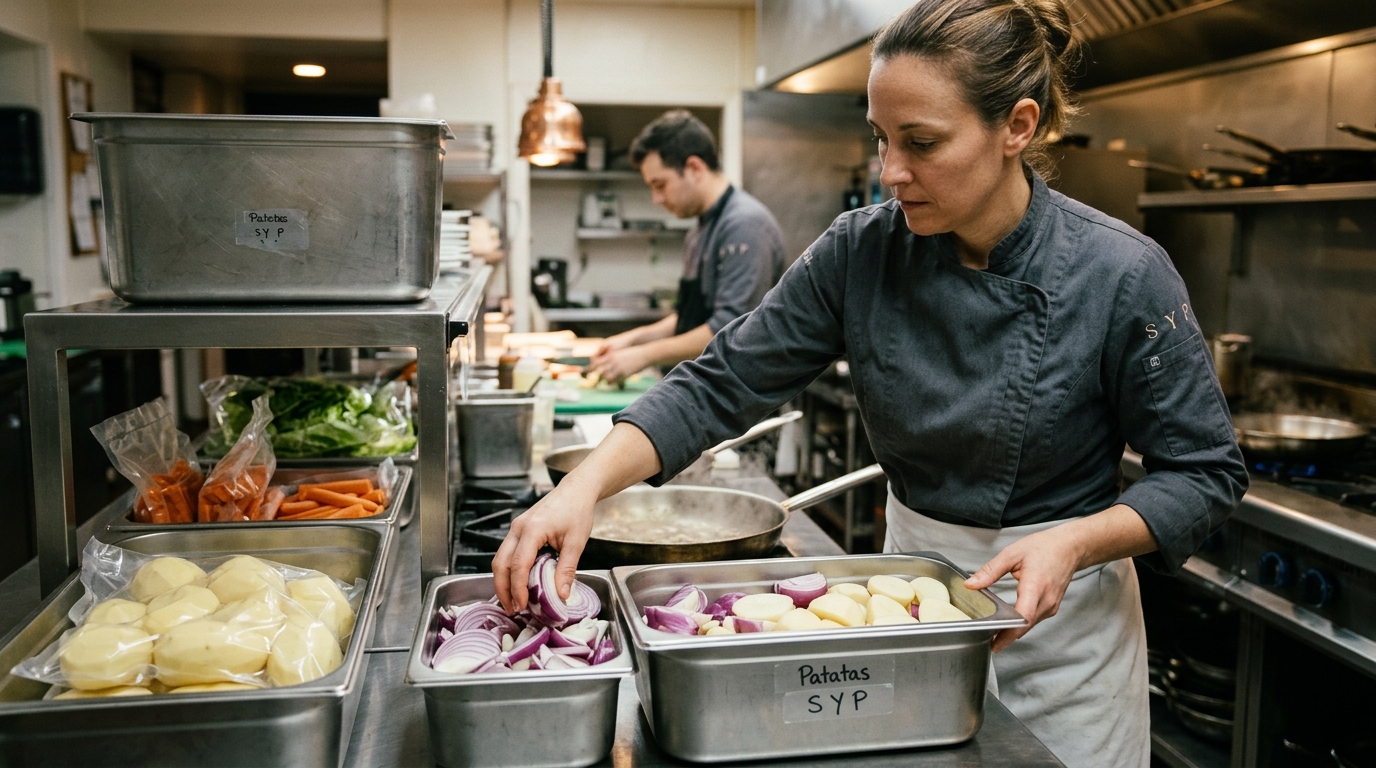
High-volume commercial kitchens face relentless pressure to maintain consistency while reducing labor costs. Industry data shows that professional food service operations lose nearly thirty percent of their prep time to manual vegetable processing. This operational bottleneck directly impacts table turnover and profit margins. Restaurants that transition to professionally processed IV gama products eliminate these inefficiencies. A dedicated cutting facility handles sanitation, portion control, and rapid distribution. This shift allows culinary teams to focus on execution rather than preparation. Modern hospitality managers recognize that standardized ingredients reduce waste and accelerate service during peak hours.
Labor Efficiency Gains
Manual vegetable preparation requires specialized knife skills and repetitive physical motion. Pre-peeling is the industrial removal of outer skins and imperfections before delivery to the kitchen. This process transfers labor costs from the restaurant floor to a centralized facility. Chefs gain back hours of daily prep time that directly translates to higher table turnover. Staff can redirect their focus toward plating and customer interaction. Restaurants that utilize professional cutting services report a forty percent reduction in weekly labor expenditures. The operational savings compound quickly across multiple locations.
Staff Training Reduction
Training new kitchen personnel on precise cutting techniques takes months. Ready-to-cook ingredients remove the learning curve entirely. New hires can execute complex dishes on their first shift. This acceleration reduces onboarding costs and minimizes early-stage food waste. High-volume establishments benefit from immediate productivity without compromising quality standards.
Sanitation and Safety Protocols
Commercial food safety demands rigorous environmental controls and documented handling procedures. IV gama is the industry classification for fresh, washed, peeled, and cut vegetables packaged for immediate use. Independent laboratories conduct monthly sanitary analyses to verify compliance with regional health codes. These third-party audits guarantee that every batch meets strict microbial thresholds. Restaurants avoid the hidden risks of cross-contamination that occur during manual prep. Facilities that partner with certified distribution centers maintain flawless inspection records year after year.
Extended Shelf Life
Controlled temperature environments and rapid packaging extend product longevity. Fresh cut produce retains optimal texture and flavor for longer periods. Kitchens experience fewer emergency orders and reduced spoilage rates. Consistent quality ensures that every plate meets guest expectations without variation.
Menu Versatility and Cut Options
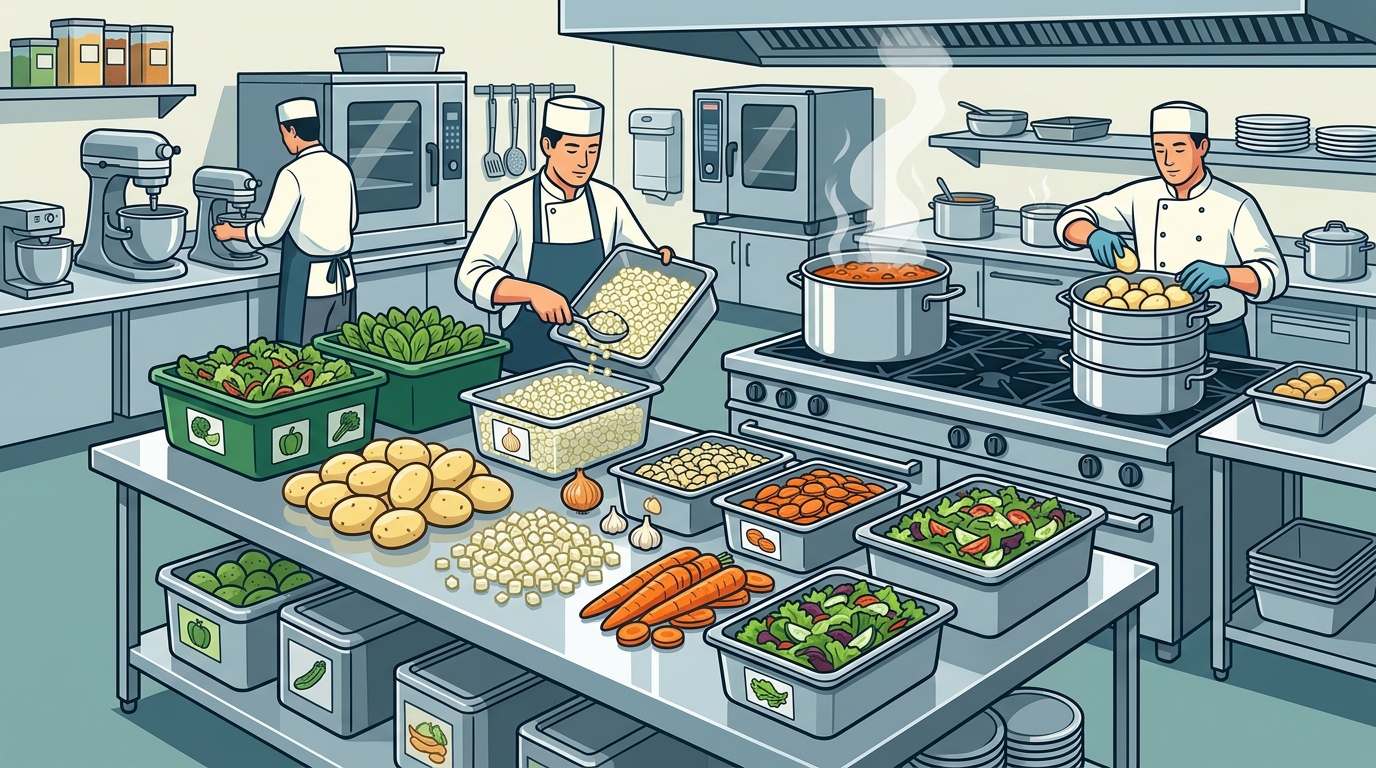
Modern dining concepts require diverse presentation styles and consistent portioning. Commercial distribution is the logistical framework that delivers standardized ingredients directly to restaurant kitchens. Providers offer specialized cuts including brava, french fries, steak house slices, and julienne onions. Culinary teams can rotate seasonal menus without retraining staff or purchasing specialized equipment. The ability to switch between potato varieties and leafy greens on demand keeps menus fresh. Establishments that explore comprehensive product catalogs discover new revenue streams through expanded offerings.
Custom Portion Control
Uniform sizing ensures even cooking and consistent plating aesthetics. Guests receive identical portions regardless of which server handles the order. This standardization protects food cost percentages and simplifies inventory forecasting. Kitchens can scale production up or down based on real-time demand.
Cost Analysis and Waste Reduction
Manual peeling generates significant organic waste that directly impacts gross margins. Professional processing facilities optimize yield by utilizing every usable portion of raw produce. Restaurants pay only for the exact cuts they require. This precision eliminates the financial drain of discarded peels and irregular scraps. Budget forecasting becomes highly accurate when ingredient costs are fixed per unit. Operators who transition to scheduled delivery programs stabilize their monthly food expenses and improve cash flow predictability.
Inventory Optimization
Just-in-time delivery models prevent overstocking and reduce storage requirements. Kitchens maintain lean inventory levels while ensuring constant availability. Reduced storage costs free up valuable floor space for additional seating. Operational efficiency improves across the entire back-of-house workflow.
Supply Chain Reliability
Seasonal fluctuations and agricultural disruptions frequently threaten restaurant operations. Established distribution networks maintain robust supplier relationships to guarantee consistent availability. Restaurants receive daily deliveries of fresh produce regardless of external market volatility. This reliability prevents menu gaps and protects brand reputation during peak seasons. High-volume venues depend on predictable logistics to maintain service standards. Partnerships with experienced providers ensure that kitchens never face unexpected shortages.
| Product Category | Available Cuts | Primary Use Case | Access Details |
|---|---|---|---|
| Whole Peeled Potatoes | Entire, Tortilla, Frita | Classic sides and baked items | View full specifications |
| Specialty Cuts | Brava, Steak House, Panadera | Premium plating and regional dishes | View full specifications |
| Aromatics and Greens | Julienne onions, Iceberg lettuce, Arugula | Salads, garnishes, and fresh preparations | View full specifications |
Key Takeaways
- Professional cutting facilities eliminate thirty percent of manual prep time.
- Independent laboratories conduct monthly sanitary analyses to verify compliance.
- Standardized portions protect food cost percentages and simplify forecasting.
- Specialized cuts include brava, french fries, and julienne onions.
- Just-in-time delivery models reduce storage costs and prevent overstocking.
- Established networks maintain consistent availability despite seasonal market fluctuations.
Frequently Asked Questions
How does pre-peeling impact kitchen labor costs?
Pre-peeling transfers labor costs from the restaurant floor to a centralized facility. Chefs gain back hours of daily prep time that directly translates to higher table turnover. Staff can redirect their focus toward plating and customer interaction.
What sanitation standards apply to commercial cut vegetables?
Independent laboratories conduct monthly sanitary analyses to verify compliance with regional health codes. These third-party audits guarantee that every batch meets strict microbial thresholds. Restaurants avoid the hidden risks of cross-contamination that occur during manual prep.
Can restaurants customize cut sizes for specific dishes?
Providers offer specialized cuts including brava, french fries, steak house slices, and julienne onions. Culinary teams can rotate seasonal menus without retraining staff or purchasing specialized equipment.
How does waste reduction affect overall profitability?
Professional processing facilities optimize yield by utilizing every usable portion of raw produce. Restaurants pay only for the exact cuts they require. This precision eliminates the financial drain of discarded peels and irregular scraps.
What delivery schedules are available for high-volume locations?
Just-in-time delivery models prevent overstocking and reduce storage requirements. Kitchens maintain lean inventory levels while ensuring constant availability. Reduced storage costs free up valuable floor space for additional seating.
Are pre-cut vegetables safe for immediate consumption?
Controlled temperature environments and rapid packaging extend product longevity. Fresh cut produce retains optimal texture and flavor for longer periods. Kitchens experience fewer emergency orders and reduced spoilage rates.
Ready to Optimize Your Kitchen Operations?
Transitioning to professionally processed ingredients eliminates labor bottlenecks and standardizes quality across every service. High-volume establishments gain immediate access to specialized cuts, rigorous sanitation protocols, and predictable supply chains. Modern hospitality managers recognize that standardized ingredients reduce waste and accelerate service during peak hours. Contact our commercial team today to schedule a facility tour or request a customized product sample. Visit patatassyp.es to explore our complete catalog and secure your partnership. Transform your back-of-house workflow and deliver consistent excellence to every guest.