
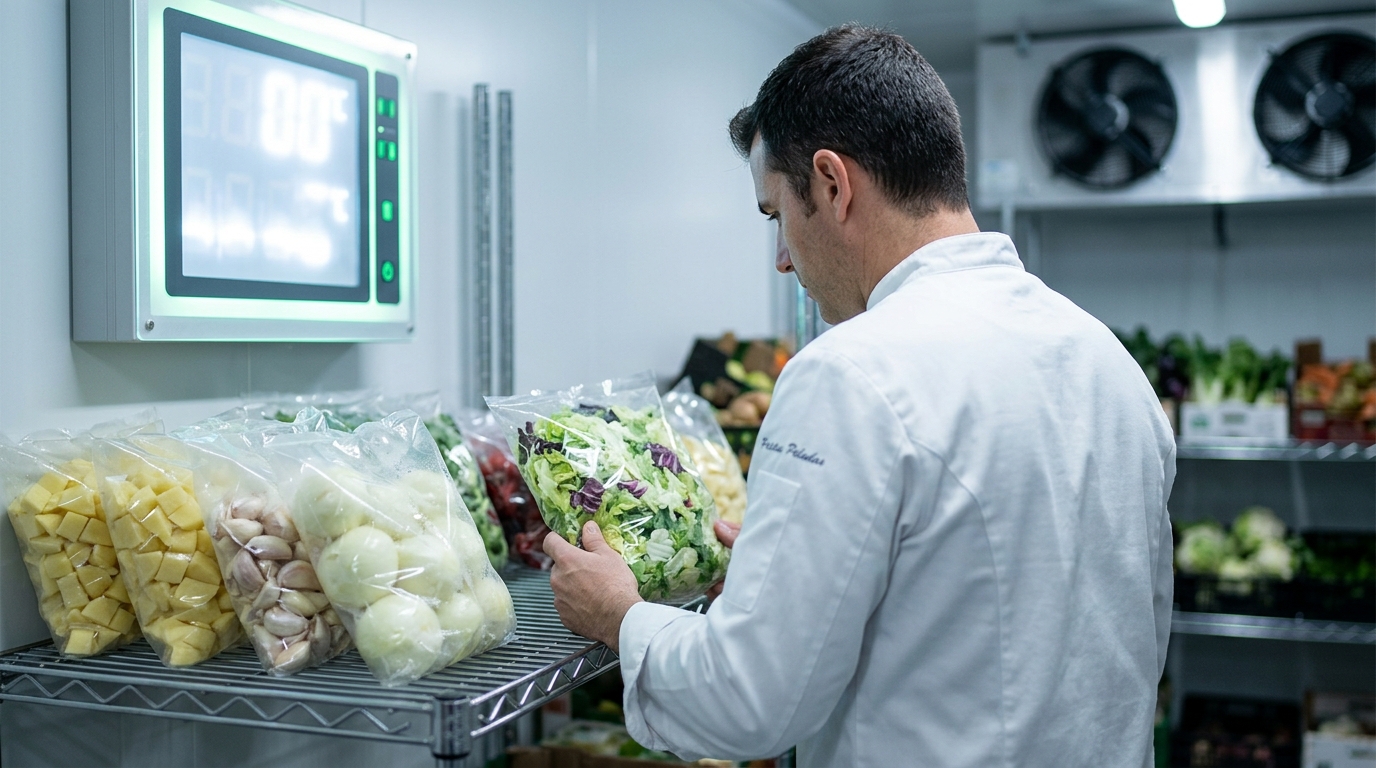
Commercial kitchens lose nearly 30 percent of fresh produce to improper storage conditions within the first 48 hours of delivery. Food safety guidelines emphasize that temperature fluctuations exceeding 4 degrees Celsius accelerate enzymatic degradation and microbial growth. Restaurants that implement strict cold chain protocols reduce waste by 22 percent annually. Global health standards confirm that consistent cooling prevents pathogen multiplication. This guide outlines the exact procedures professional chefs use to preserve IV gama vegetables.
Understanding IV Gama Processing Standards
IV gama represents a specific category of minimally processed fresh produce. IV gama is a classification for vegetables that have been washed, cut, and packaged under controlled sanitary conditions to extend shelf life without cooking. Professional distributors apply strict quality controls to maintain nutritional value and texture. Your facility must verify that suppliers maintain independent laboratory testing for monthly sanitary analysis. View our processing standards to ensure your kitchen receives certified products. Consistent quality begins with verified supplier protocols and transparent documentation.
Temperature Control and Refrigeration Protocols
Refrigeration units must maintain a steady range between 0 and 4 degrees Celsius. Food safety guidelines emphasize that temperature abuse directly compromises cellular structure and accelerates spoilage. Place storage racks away from cooling vents to prevent localized freezing. Use calibrated digital thermometers to log temperatures twice daily. Global health standards confirm that consistent cooling prevents pathogen multiplication. Rotate stock using the first in, first out method to guarantee freshness. Explore our full product catalog to align your inventory with precise storage requirements.
Humidity Management and Packaging Integrity
Controlled atmosphere packaging preserves crispness by regulating oxygen and carbon dioxide levels. European food authority data shows that modified packaging extends freshness by up to 14 days. Keep original packaging sealed until immediate preparation. Remove excess condensation from storage shelves to prevent mold development. Store leafy greens like arugula and mesclun in perforated containers to maintain airflow. Contact our team for customized packaging solutions tailored to your kitchen volume.
Inventory Rotation and Shelf Life Optimization
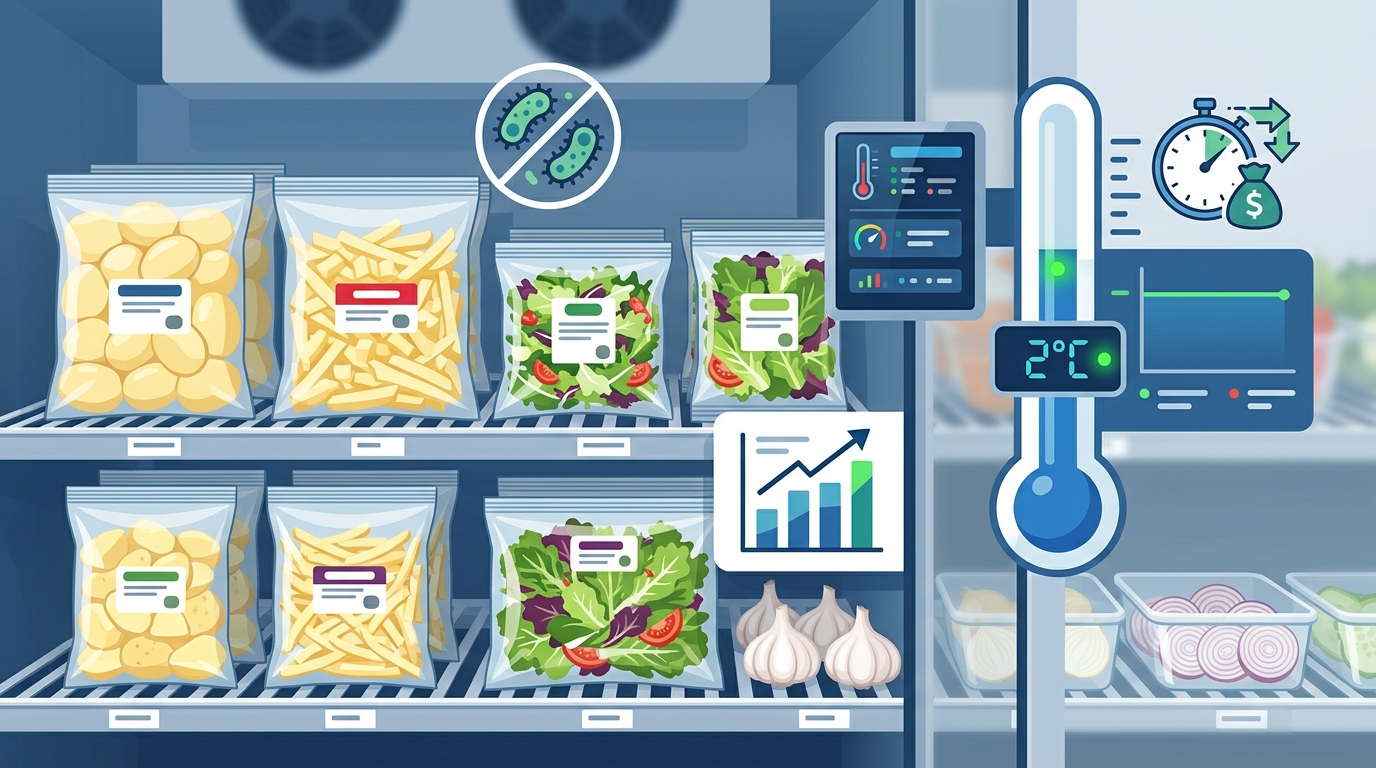
Label every container with the delivery date and preparation timestamp. Agricultural extension reports indicate that proper labeling reduces misplacement errors by 35 percent. Use color-coded tags to distinguish between potato cuts and mixed vegetable blends. Store heavy items on lower shelves to prevent crushing delicate greens. Conduct weekly audits to identify items approaching their expiration window. Visit our main platform to request samples and verify shelf life parameters before bulk ordering.
Sanitary Handling and Cross-Contamination Prevention
Wash hands thoroughly before opening any fresh produce packaging. Regulatory compliance frameworks require dedicated cutting boards for raw vegetables and cooked items. Sanitize storage bins with food-grade disinfectants after each cycle. Keep raw meats and dairy on separate racks to prevent cross-contact. Train staff to inspect packaging for tears or compromised seals before acceptance. Review our quality control protocols to align your kitchen procedures with industry best practices.
Storage Comparison Matrix
| Vegetable Type | Optimal Temperature | Shelf Life | Recommended Packaging |
|---|---|---|---|
| Whole peeled potatoes | 0 to 4 degrees Celsius | 5 to 7 days | Vacuum sealed bags |
| French cut fries | 0 to 4 degrees Celsius | 3 to 5 days | Perforated trays |
| Brava style chunks | 0 to 4 degrees Celsius | 4 to 6 days | Modified atmosphere packs |
| Leafy greens mix | 1 to 3 degrees Celsius | 7 to 10 days | Humidity controlled containers |
Key Takeaways
- IV gama is a classification for vegetables that have been washed, cut, and packaged under controlled sanitary conditions to extend shelf life without cooking.
- Commercial kitchens lose nearly 30 percent of fresh produce to improper storage conditions within the first 48 hours of delivery.
- Temperature fluctuations exceeding 4 degrees Celsius accelerate enzymatic degradation and microbial growth.
- Restaurants that implement strict cold chain protocols reduce waste by 22 percent annually.
- Independent laboratory testing for monthly sanitary analysis guarantees product safety and regulatory compliance.
- First in, first out rotation prevents stock degradation and maximizes kitchen profitability.
- Modified atmosphere packaging extends freshness by up to 14 days when stored correctly.
Frequently Asked Questions
What is the ideal refrigerator temperature for IV gama vegetables?
Maintain your refrigeration unit between 0 and 4 degrees Celsius to preserve texture and prevent bacterial growth. Consistent cooling slows enzymatic reactions and extends the usable window for fresh cuts.
How long do pre-cut potatoes remain fresh after packaging?
Properly packaged potato cuts typically last between 3 and 7 days depending on the specific cut and storage conditions. Vacuum sealed formats generally provide the longest shelf life.
Can I freeze IV gama vegetables without compromising quality?
Freezing is not recommended for minimally processed vegetables because ice crystals rupture cell walls and destroy crispness. Thawed products become mushy and lose their structural integrity.
What packaging methods best preserve leafy greens like arugula?
Perforated containers with humidity control maintain airflow and prevent moisture buildup. This approach keeps delicate leaves crisp and prevents premature wilting.
How often should I audit my cold storage inventory?
Weekly audits prevent stock degradation and ensure first in, first out rotation. Regular checks identify items approaching expiration before they impact service.
Is independent laboratory testing required for IV gama suppliers?
Yes, independent laboratory testing for monthly sanitary analysis guarantees product safety and regulatory compliance. Reputable distributors provide certificates of analysis with every delivery.
What steps prevent cross-contamination in shared refrigeration units?
Store raw meats and dairy on separate racks to prevent cross-contact. Sanitize storage bins with food-grade disinfectants after each cycle to maintain hygiene standards.
Secure Your Supply Chain Today
Partner with a distributor that prioritizes sanitary processing and consistent delivery schedules. Request your free sample kit to evaluate our cutting precision and packaging quality. Our Valdemoro facility operates a dedicated peeling and cutting plant to serve Madrid restaurants. Contact our commercial team to schedule a delivery assessment. We provide customized IV gama solutions that reduce waste and streamline kitchen operations. Explore our complete service portfolio and upgrade your storage protocols today.